
The Search Landscape Is Changing—And Your Business Must Adapt
LLM SEO guide strategies help businesses stay visible as AI-powered search tools like ChatGPT, Google’s AI Overviews, Perplexity, and Claude reshape how people find information online. Here’s what you need to know:
Quick Answer: Essential LLM SEO Strategies
- Structure content for AI understanding with clear headings, short paragraphs, and semantic HTML
- Write conversationally to match how people ask questions to AI tools
- Implement schema markup (FAQ, HowTo, Article) to help LLMs interpret your content
- Build authority signals through original research, expert quotes, and credible citations
- Expand your digital presence across social platforms, review sites, and community forums
- Keep content fresh with regular updates and clear “last updated” timestamps
- Optimize technical foundations like indexability, mobile-friendliness, and page speed
- Track AI mentions and referral traffic from LLM platforms, not just traditional rankings
Search behavior has fundamentally changed. People are asking full questions to AI chatbots and getting direct answers, often without clicking to a website. This shift is significant: Google’s AI Overviews can reduce clicks by over 34%, and for some businesses, AI search is already their top acquisition channel. By 2028, AI search traffic may even surpass traditional search.
This isn’t a minor algorithm update. When someone asks an AI about a product or service in your industry, your brand either gets mentioned as a trusted source, or it doesn’t exist in that conversation.
While traditional SEO focused on ranking links, LLM SEO focuses on being cited, quoted, and recommended by AI systems. The strategies overlap, but LLM SEO prioritizes clarity, structured content, and demonstrable expertise over keywords and link volume. You need to optimize for both human readers and the AI systems that act as gatekeepers.
I’m Ronnie Katz, founder of BullsEye Internet Marketing. Since 2006, I’ve helped businesses steer search evolution. This LLM SEO guide draws on that experience to show you what works now and what’s next.

Key LLM SEO guide vocabulary:
Understanding the AI Search Revolution: From Keywords to Conversations
The AI Search Revolution is here. While traditional SEO focused on ranking for keywords, the rise of Large Language Models (LLMs) like ChatGPT and Google’s Gemini means people now get direct answers from AI, changing how they find information.
LLM SEO—also known as Large Language Model Optimization (LLMO)—is the practice of optimizing content to be understood and cited by these AI systems. The goal is to be featured in the direct answers and summaries LLMs provide, shifting the focus from ranking pages to becoming a trusted, citable source.
The core difference is the user experience. Users now ask conversational questions (e.g., “What are the best LLM SEO practices?”) and expect a direct, comprehensive answer, not a list of links. This shift means our focus moves from getting clicks to earning citations and mentions within AI-generated responses.
| Traditional SEO Signals | LLM SEO Signals |
|---|---|
| Backlinks | Clarity & Citability |
| Keyword Density | Semantic Relevance & Natural Language |
| Page Rankings | AI Citations & Mentions |
| Click-Through Rate (CTR) | Brand Mentions & Share of Voice |
| Technical SEO (crawlability) | Structured Data & Machine Readability |
| Static Optimization | Dynamic, Contextual Findy |
How LLMs Change Search and User Behavior
The way people search has evolved from simple keywords to complex, conversational questions. This means:
- From keywords to questions: Users pose full questions, seeking immediate and complete answers.
- Expectation of direct answers: AI synthesizes information to provide concise summaries, reducing the need for users to visit multiple websites and leading to “zero-click searches.”
- AI as a primary information source: LLMs are becoming the first point of contact for information, curating data from various sources.
- Impact on top-of-funnel content: The focus shifts from attracting clicks to being the source of the AI’s answer.
The Key Differences: Traditional SEO vs. LLM SEO
While there’s overlap, LLM SEO has different priorities:
- Focus on clicks vs. citations: Traditional SEO strives for clicks. LLM SEO guide strategies aim for content to be cited or summarized in AI answers. “Earning a citation is the new #1 ranking.”
- Backlinks vs. authority signals: While backlinks still contribute to domain authority, LLMs prioritize content clarity, factual accuracy, and demonstrable expertise over link volume.
- Keyword optimization vs. natural language understanding: LLM SEO emphasizes semantic relevance and answering the intent of a conversational query, making keyword stuffing ineffective.
- Ranking pages vs. being the source: The goal is for your brand to be recognized as the authoritative source from which the AI draws its answers.
Your Actionable LLM SEO Guide: 9 Proven Best Practices
The shift in search behavior presents both challenges and immense opportunities. For businesses in Florida, like those we serve in Miami, Fort Lauderdale, and West Palm Beach, adapting quickly is crucial. Here’s our actionable LLM SEO guide outlining nine best practices to ensure your content is visible, trusted, and cited by AI platforms.

This framework focuses on building a foundational strategy for machine readability, establishing authority, and crafting content that AI systems love.
1. Master Content Structure for AI Consumption
LLMs thrive on clear, organized information. Think of it like this: if a human can easily skim and understand your content, an AI probably can too.
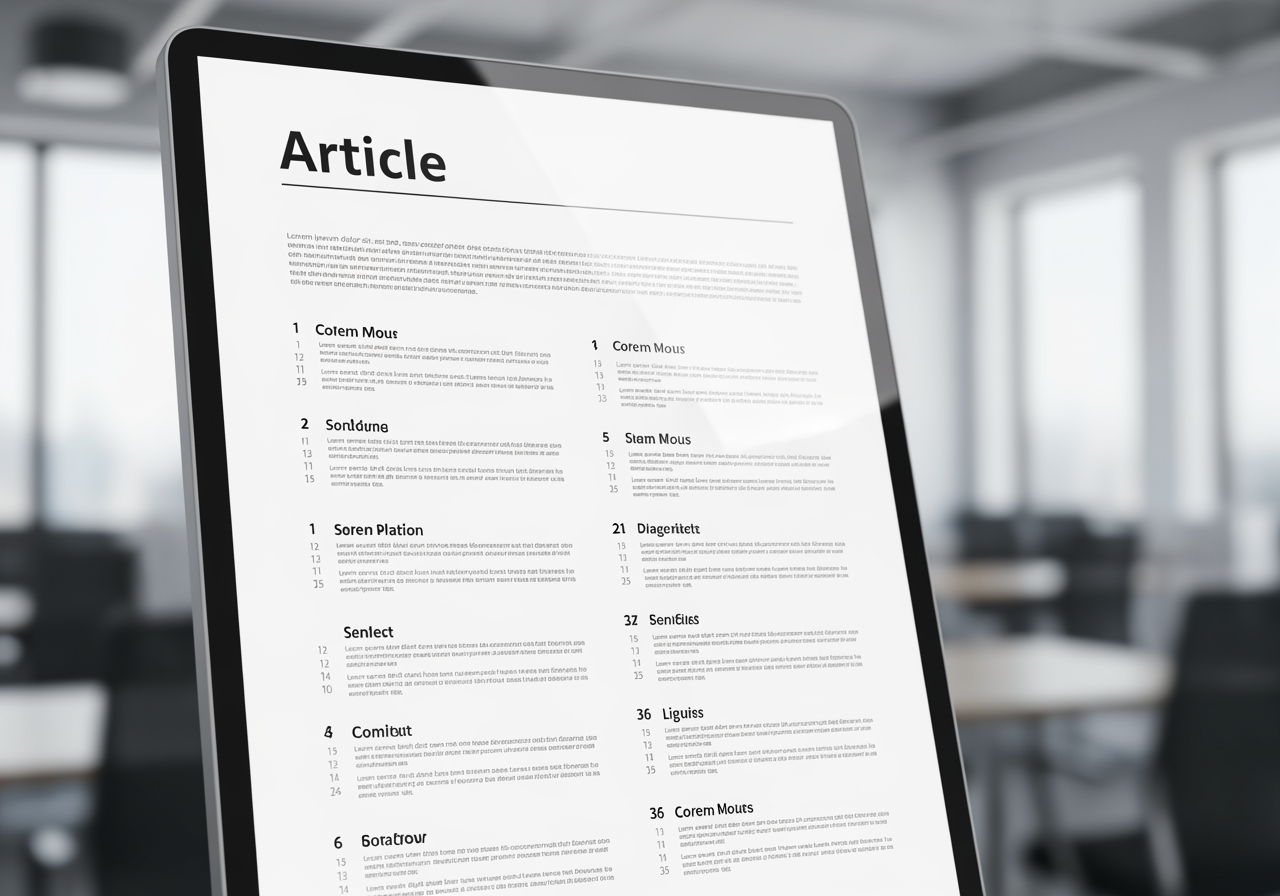
- Semantic HTML and Hierarchical Headings: Use proper HTML tags (H1, H2, H3, etc.) to create a logical information hierarchy. Your H1 should be the main topic, H2s for major sections, and H3s for subsections. This acts as a roadmap for LLMs, guiding them through your content.
- Short Paragraphs, Lists, and Tables: Break down complex ideas into digestible chunks. LLMs prefer short paragraphs (2-3 sentences max) that are easy to extract. Bulleted and numbered lists are excellent for presenting key points or steps, while tables are perfect for comparisons or data. Avoid dense blocks of text.
- Clear, Concise Language: Minimize jargon and use plain language. Write as if you’re explaining a concept to a friend. Direct answers, simple sentences, and active voice are highly favored by LLMs because they reduce ambiguity.
- Question-First Headings: Structure your headings to answer common questions directly. For example, instead of “AI Trends,” use “How Does AI Affect Business Growth?” This directly aligns with how users query LLMs.
2. Implement Accurate Schema Markup
Schema markup (structured data) is like providing a cheat sheet to search engines and LLMs, explicitly telling them what your content means. While its direct impact on LLM ranking is still evolving, it’s crucial for machine understanding.
- Use JSON-LD: This is the recommended format for implementing schema.
- Specific Schema Types:
FAQPageschema: Excellent for question-and-answer sections, as LLMs frequently provide direct answers to FAQs.HowToschema: Ideal for step-by-step guides, allowing LLMs to extract and present instructions clearly.Articleschema: Helps LLMs understand the content type and key details of your articles.LocalBusinessschema: Crucial for our Florida clients (e.g., in Miami-Dade or Broward County) to ensure LLMs accurately understand business details like address, phone, and services for local queries.
- Build a “Chain of Trust”: Schema, combined with citing credible, primary sources within your content (studies, government data), helps LLMs build a “chain of trust” around your information. This signals authority and reliability.
- Caution with Implementation: As experts Julio C. Guevara and Mark Williams-Cook explain, LLMs “tokenize” content. Poorly implemented schema can actually hinder AI comprehension. If you’re unsure, it’s better to consult an expert than implement incorrect schema.
Add Schema.org markup to reinforce meaning
3. Expand Your Digital Footprint Consistently
LLMs gather information from a vast array of sources, not just your website. Building a widespread, consistent brand presence across multiple platforms is vital for LLM visibility.
- Consistent Brand Echo: Ensure your brand’s messaging, products, services, and company history are described using the same language and details across all your digital touchpoints. This consistency helps LLMs form a clear, factual understanding of your brand, preventing conflicting information.
- Social Media Profiles: Maintain active and optimized profiles on platforms like LinkedIn, Facebook, Instagram, and YouTube. LLMs can draw information from these sources, especially for branded queries.
- Third-Party Review Sites: For businesses in South Florida, presence on local review sites like Yelp, Google Business Profile, and industry-specific platforms is key. Positive, detailed reviews contribute to your brand’s perceived authority and can be cited by LLMs.
- Digital PR: Actively seek mentions and citations on reputable industry websites, news outlets, and expert roundups. The more your brand is mentioned by trusted external sources, the more likely LLMs are to recognize and cite your authority.
4. Leverage Community Platforms and Niche Forums
User-Generated Content (UGC) platforms like Reddit and Quora are goldmines for LLMs. These platforms contain real questions from real people and often feature authentic, detailed answers.
- Authentic Participation: Don’t just lurk! Actively participate in relevant subreddits, Quora spaces, and niche forums related to your industry. Provide helpful, comprehensive answers to user questions. This establishes your expertise and can lead to your brand being cited by LLMs.
- Building Expertise: By consistently offering valuable insights, you build a reputation as an expert within these communities. LLMs, which frequently crawl these platforms, can then associate your brand with that expertise.
- Earning Community Mentions: When you provide genuine value, others will naturally mention your brand or content. These mentions, even without direct links, contribute to your overall authority in the eyes of LLMs.
- Monitoring Brand Discussions: Keep an eye on conversations related to your brand or industry. This allows you to address misinformation, correct inaccuracies, and identify new content opportunities based on user questions.
5. Demonstrate Expertise, Authority, and Trust (E-E-A-T)
E-E-A-T (Experience, Expertise, Authoritativeness, and Trustworthiness) has always been crucial for SEO, but it’s even more paramount for LLMs. AI systems are increasingly sophisticated at discerning credible information.
- Original Research and Data: Be the source! Conduct and publish your own surveys, studies, benchmarks, and customer stories. LLMs prioritize unique, evidence-based data that they haven’t seen elsewhere.
- Citing Credible Sources: When you make claims, back them up. Reference academic research, industry reports, and primary sources. This builds a “chain of trust” for the AI.
- Expert Quotes and Detailed Author Bios: Human expertise matters. Include quotes from recognized experts in your field and ensure your content features detailed author bios showcasing their credentials, experience, and professional affiliations. This signals to LLMs that the content is written by a knowledgeable individual.
- Topical Authority with Pillar Pages and Topic Clusters: Instead of creating scattered content, build comprehensive topic clusters. Develop a “pillar page” that broadly covers a core topic, then create numerous “cluster pages” that dig into specific subtopics, all interlinked. This establishes deep expertise in a subject area, which LLMs recognize and reward.
6. Write in a Conversational, NLP-Friendly Manner
LLMs excel at natural language processing (NLP). To optimize for them, we need to write in a way that mimics human conversation and anticipates user questions.
- Natural Language Queries: Focus on answering questions directly and comprehensively, using the language your target audience would use when speaking to an AI.
- Q&A Sections: Incorporate dedicated Q&A or FAQ sections within your content. These are highly LLM-friendly formats, providing clear, concise answers that AI can easily extract.
- Synonyms and Related Terms: Naturally weave in synonyms and related concepts. LLMs understand semantic relationships, so a rich vocabulary related to your topic helps them grasp the full context.
- Anticipate User Prompts: Think about the follow-up questions a user might ask after receiving an initial answer. Address these proactively within your content to provide a complete AI-driven experience. Use tools like Google’s “People Also Ask” or AI chat autocomplete features to identify these questions.
7. Prioritize Original, Non-AI-Generated Content
This is a hill we will die on: Don’t use AI to generate your entire content for LLM SEO. While AI tools can assist with outlines or research, LLMs prioritize original, human-driven insights, data, and perspectives they haven’t seen before.
- Unique Insights and First-Party Data: Your unique perspective, proprietary data, and real-world experiences are what set your content apart. Provide value beyond what an AI can summarize.
- Customer Stories and Case Studies: Share authentic customer success stories and detailed case studies. They offer tangible proof of your expertise that LLMs can reference to demonstrate real-world impact.
- Human Expertise: Emphasize your team’s unique experience. Your expertise in digital marketing for Florida markets like Miami and Fort Lauderdale is what makes your content truly authoritative and valuable to AI systems.
Using AI to generate content for LLM SEO is “completely backwards thinking” and provides a poor experience for both humans and AI.
8. Solidify Your Technical SEO Foundation
While LLM SEO introduces new considerations, the fundamentals of technical SEO remain critically important. A technically sound website is a prerequisite for any AI to effectively crawl, understand, and cite your content.
- Indexability and Crawlability: Ensure your website is findable by AI crawlers. Check your
robots.txtfile and avoid putting essential content behind paywalls or login screens. - Clean Site Structure: Fix 404 errors and broken redirects so LLMs can process your site efficiently.
- Intelligent Internal Linking: Use a robust internal linking strategy to help LLMs understand content relationships and reinforce topical authority.
- Mobile-Friendliness and Core Web Vitals: A fast, mobile-friendly website with excellent Core Web Vitals scores signals quality to both users and AI systems.
- Webmaster Tools: Set up Bing Webmaster Tools here, as Bing powers much of ChatGPT’s AI search. Similarly, ensure your Google Search Console is optimized.
9. Refresh Old Content and Maintain Clarity
Content freshness and accuracy are highly valued by LLMs. They want to provide users with the most current and reliable information.
- Regular Content Audits and Updates: Periodically review your existing content. Update statistics, examples, and recommendations with the latest data and trends. Display clear “last updated” timestamps on your articles to signal recency to both users and LLMs.
- Fact-Checking and Removing Outdated Information: Rigorously fact-check your content. Remove any information that is no longer accurate or relevant. Outdated content can undermine your authority in the eyes of LLMs.
- Clear Website Design and Navigation: A clutter-free, intuitive website design improves user experience and helps LLMs process your content more effectively. Simple navigation ensures that both humans and AI can find what they’re looking for quickly. Clarity in website design and content is crucial for building trust and avoiding lost opportunities.
Measuring Success and Avoiding Common LLM SEO Mistakes
In LLM SEO guide strategies, traditional metrics don’t tell the whole story. We must look beyond clicks to understand our impact.
- Citation Tracking: Track how often your brand is cited in AI answers. This is the new #1 ranking.
- Branded Query Lift: Monitor for increases in branded searches, which indicate users are seeking you out after an AI recommendation.
- Share of Voice: Analyze your brand’s presence in AI answers compared to competitors.
- ROI Calculation: Track citations, branded searches, and referral traffic from LLMs to calculate the return on your optimization efforts.
Tools for Tracking LLM Visibility
While dedicated LLM analytics are still emerging, several tools can help:
- AI Visibility Trackers: Use specialized tools like those from Semrush, Profound, Peec AI, or SE Ranking to track your visibility across various LLMs.
- Analytics for Referral Traffic: Configure Google Analytics 4 (GA4) to identify referral traffic from LLM platforms using ‘Session source’ or ‘Page referrer’ reports.
- Brand Monitoring Tools: Use tools to monitor brand mentions across the web to catch citations that don’t include a direct link.
Common Pitfalls to Avoid
As you approach LLM SEO, avoid these common mistakes:
- Forgetting Author Credentials: Failing to include detailed author bios with relevant credentials undermines your content’s authority.
- Using Vague Language: Vague statements are hard for AI to cite. Be specific and use full brand or product names.
- Letting Content Go Stale: AI prioritizes fresh, accurate information. Regularly update and fact-check your content.
- Poorly Implemented Schema: Incorrect schema can confuse LLMs. Get expert help if you’re unsure.
- Focusing Only on Traditional SEO Metrics: Don’t just track rankings and clicks; measure citations and brand mentions.
- Ignoring UGC Platforms: Overlooking platforms like Reddit and Quora means missing a key information source for LLMs.
Advanced Tactics and the Future of LLM Optimization
To truly dominate in the AI era, we need to go beyond the basics. This LLM SEO guide wouldn’t be complete without a look at advanced tactics and future trends.
A Deeper Dive into this LLM SEO Guide’s Advanced Concepts
- Entity-Based SEO: Weave entities (people, places, concepts) and their relationships into your content. This helps AI build a knowledge graph around your brand.
- Semantic Triples and Knowledge Graph Building: Consistently define factual relationships (e.g., “Brand X provides Service Y”) across your digital footprint to create a clear, machine-readable knowledge graph for your brand.
- The Role of High-Quality Backlinks: Backlinks from authoritative sites boost your domain authority and credibility, which indirectly signals trustworthiness to LLMs.
- How Branded Search Signals Authority to LLMs: A high volume of branded searches signals brand recognition and trust to LLMs, increasing the likelihood of being cited.
Global Domination: Localization and Hreflang for LLMs
For businesses targeting diverse communities, localization is key for LLM visibility.
- True Localization vs. Translation: Go beyond simple translation. Adapt content to local cultural nuances, examples, and conversational styles for better performance.
- Implementing Hreflang Tags Correctly: For multilingual content, use
hreflangtags to tell LLMs which page version is for which language/region. This prevents duplication issues and improves user experience.
The Future of Search: What’s Next in this LLM SEO Guide?
The AI landscape is constantly evolving, and so must our strategies.
- Adaptability is Key: The tools and algorithms will continue to change. Be prepared to test, iterate, and adapt your strategies quickly.
- Ethical Considerations: Focus on fact-checking, transparency, and avoiding bias in your content.
- Rise of New AI Platforms: Stay informed about and test your visibility on emerging AI search platforms.
- Increasing Importance of First-Party Data: Your unique research and customer insights will become an even stronger differentiator.
- Building Direct Audience Relationships: Build your audience through email lists and communities to counter potential traffic loss from zero-click searches.
Frequently Asked Questions about LLM SEO
How is LLM SEO different from regular SEO?
Traditional SEO focuses on ranking for clicks using signals like backlinks. LLM SEO aims to get your content cited in AI answers by prioritizing clarity, factual accuracy, and structured data for machine comprehension. It’s about being the source, not just a link.
Should I stop my current SEO efforts for LLM SEO?
No. A strong traditional SEO foundation is the best starting point. LLM optimization is an additive layer that builds on good practices like creating high-quality content, building topical authority, and ensuring technical soundness. They work together.
Is AI-generated content bad for LLM SEO?
Using AI to generate entire articles is counterproductive, as LLMs prioritize original, human-driven insights they haven’t seen before. AI tools can assist with outlines or research, but the final content should offer unique value and expertise to stand out.
Conclusion: Evolve Your SEO for the AI Era
The message is clear: LLM SEO guide strategies are not a fleeting trend, but an essential evolution of how we approach digital visibility. The future of finding information is conversational, and our content must be ready to participate in that conversation.
At BullsEye Internet Marketing, we understand that adaptability is key. Our expertise lies in helping businesses like yours in Florida—from Miami-Dade to Palm Beach County, and across all 50 states—steer these changes, focusing on building the authority and clarity that AI systems demand. We believe in being the best explainer of a topic, not just the highest ranker.
Learn more about our Answer Engine Optimization services and start your LLM SEO journey.
