
Why Your Digital Identity Matters More Than Ever
Internet presence management is the strategic process of controlling and optimizing how your business appears across all digital platforms, from search engines and social media to review sites and online directories.
Key Components of Internet Presence Management:
- Website Optimization – Your digital headquarters with fast load times, mobile responsiveness, and clear CTAs
- Search Engine Visibility – SEO strategies that help customers find you when they search for your products or services
- Social Media Management – Consistent brand presence and engagement across platforms where your audience spends time
- Online Reputation – Monitoring and responding to reviews, mentions, and customer feedback
- Content Marketing – Creating valuable content that establishes authority and attracts your target audience
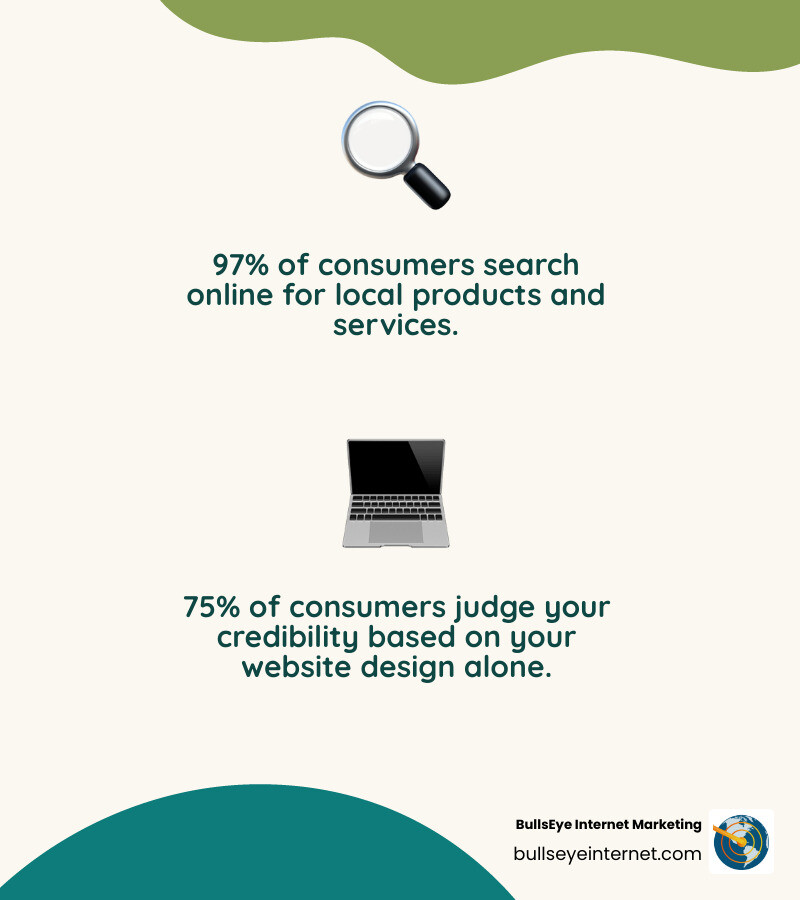
First impressions are now digital. 97% of consumers search online for local products and services, and 75% judge your credibility based on your website design alone. Your digital footprint isn’t just about existing online—it’s about controlling the narrative before your competitors do.
If you don’t manage your online presence, your competitors and critics will shape it for you. Unanswered negative reviews, a slow website, and poor search visibility can render your marketing efforts useless because your digital foundation is broken.
However, internet presence management is fixable, measurable, and directly impacts your bottom line. When done right, it turns your digital assets into 24/7 salespeople that build trust, attract qualified leads, and convert browsers into buyers.
I’m Ronnie Katz, and I’ve been helping businesses master internet presence management since founding BullsEye Internet Marketing in 2006. For over two decades, I’ve developed proven strategies that combine SEO, reputation management, and conversion optimization to deliver transparent, measurable ROI.
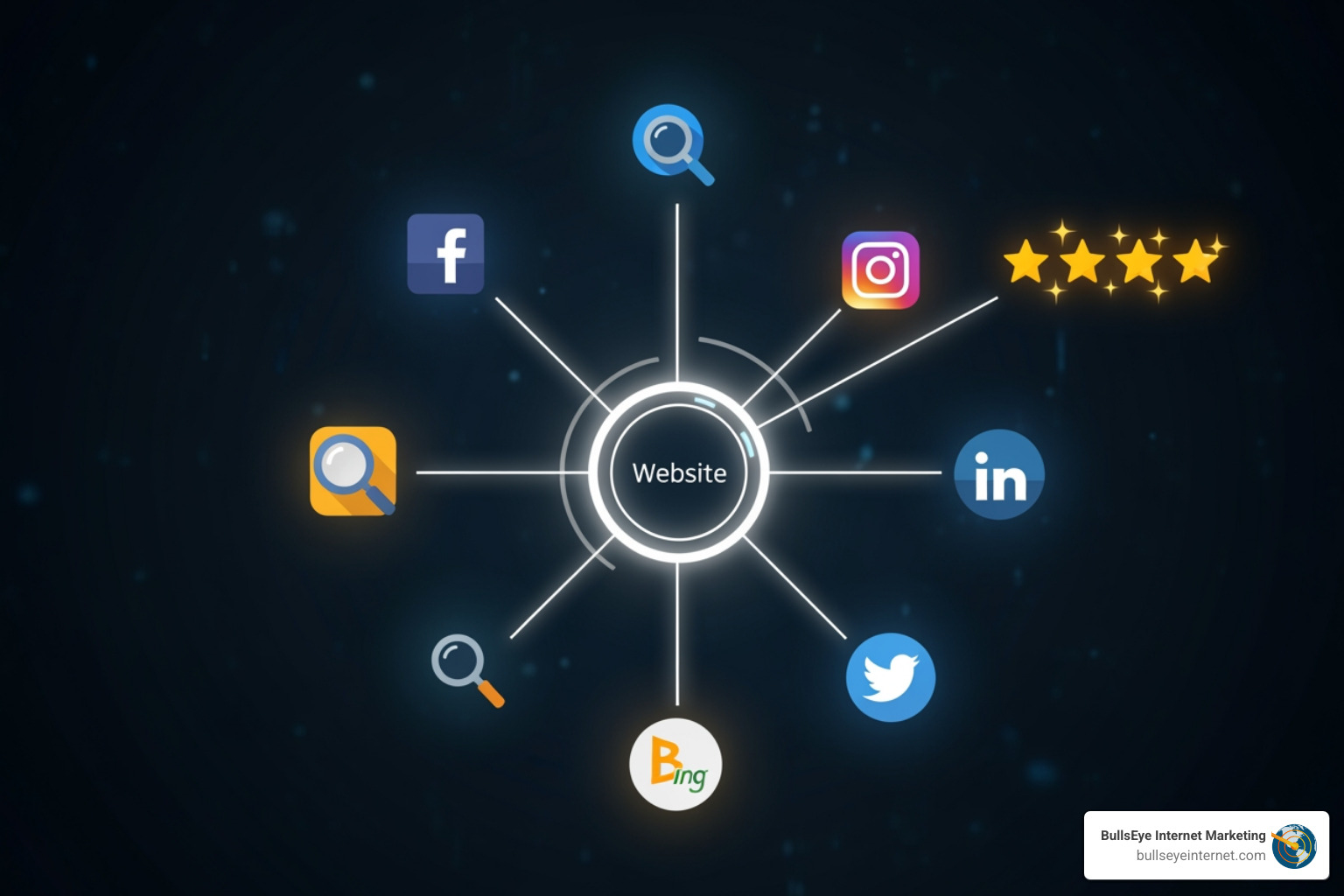
The Core Components of Your Digital Footprint
Having an outdated website and a dormant social media page isn’t an online presence—it’s digital neglect. A true online presence makes you findable, credible, and trustworthy. With 97% of consumers searching online for local products, being invisible is not an option.
Your digital footprint rests on four pillars: your website (digital HQ), social media (town square), search engines (visibility), and online reputation (social proof). Let’s break down each component.
Your Website: The Digital Headquarters
Your website is the foundation of your online presence and the one digital asset you fully control. It’s your digital headquarters and must function perfectly. Since 75% of consumers judge your credibility by website design, an outdated site is actively costing you business. A modern, mobile-responsive design is the baseline expectation.
Speed is just as critical. As page load time rises from 1 to 3 seconds, the probability of users leaving your site increases by 32%. A slow site means lost visitors. Finally, your site needs clear calls-to-action (CTAs) like “Call Now” or “Get a Free Quote” to guide visitors and convert traffic. A beautiful website that doesn’t convert is just expensive art.
Social Media Presence
Social media is your brand’s town square for community and conversation. With roughly 86% of the global population using social media, you can’t afford to ignore it. Effective internet presence management isn’t about being everywhere, but being where your audience is. A local service business needs Facebook, while a fashion brand needs Instagram.
Consistency in brand voice and regular engagement—responding to comments and questions—are key to building a community that turns followers into customers. Encouraging and showcasing user-generated content (UGC) like customer photos and testimonials builds authentic trust and turns customers into brand ambassadors.
SEO and Content Marketing
A great website is useless if no one can find it. SEO and content marketing drive organic traffic from users actively searching for your services. It starts with understanding customer search intent through keyword research. We then create high-quality content—blog posts, service pages, videos—that provides real answers and demonstrates expertise.
Since only 49% of small businesses invest in SEO, you have a significant opportunity to capture organic traffic your competitors are ignoring. Content includes more than just blogs; video is crucial for demonstrating products and personality. Furthermore, backlinks from reputable sites signal authority to search engines.
Online Reviews and Reputation
Today, your reputation spreads online. Online reviews are the digital word-of-mouth, providing the social proof that drives purchasing decisions. Studies show over 90% of consumers read local business reviews and trust them as much as personal recommendations, and 34% of people use online reviews before buying.
Reputation management involves monitoring review sites, encouraging positive feedback, and responding professionally to all reviews. A thoughtful response to criticism can often build more trust than a page of unanswered five-star ratings. This engagement shows you care about the customer experience and are prepared to handle the inevitable reputation challenges that arise.
Key Strategies for Effective Internet Presence Management
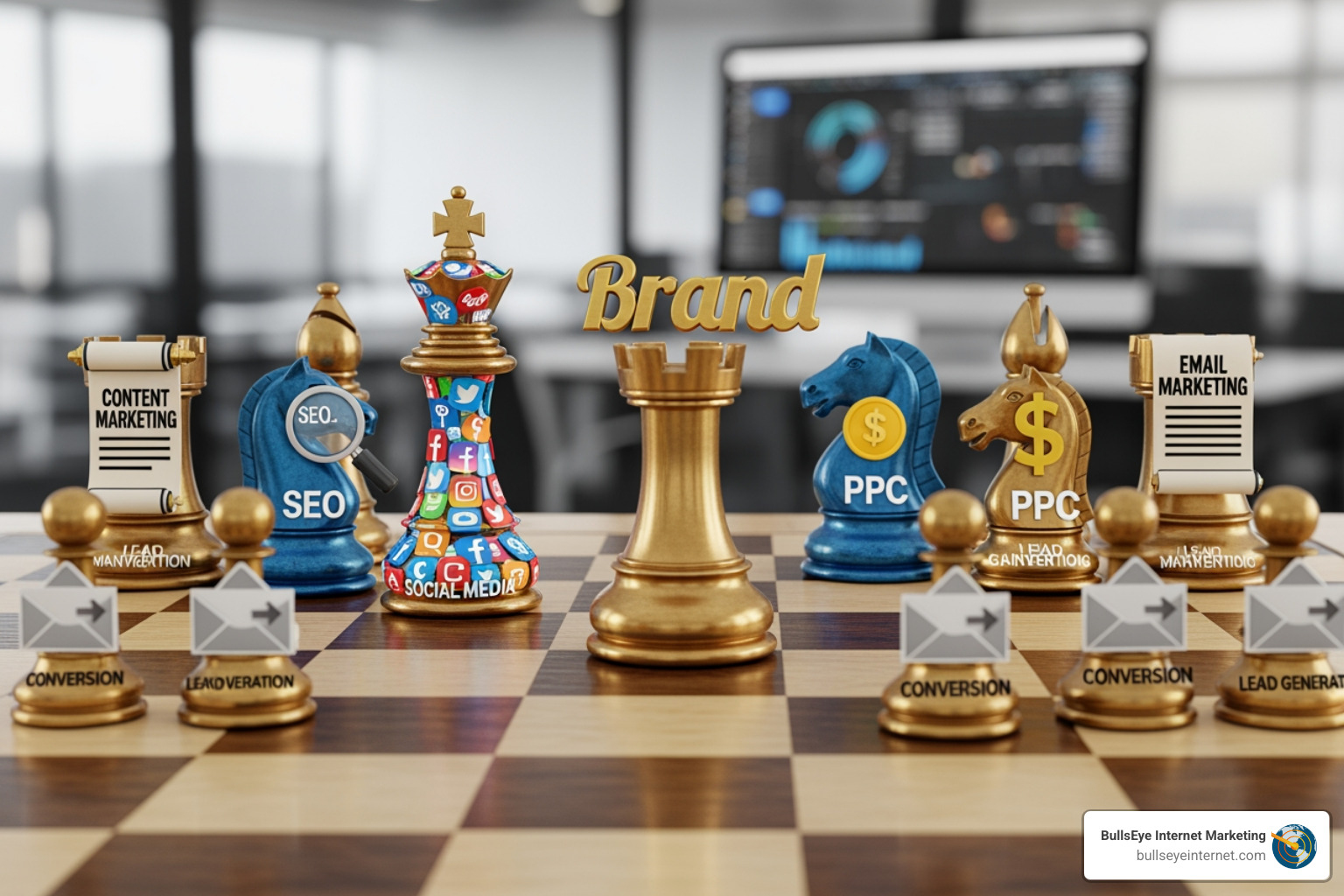
Effective internet presence management is like chess, not darts. It requires a cohesive game plan where your website, social media, SEO, and paid ads work together. A strong strategy involves a content calendar, creating content with genuine audience value, and networking to strengthen your digital presence. While organic growth builds authority, paid advertising can accelerate results. As The Role and Value of Digital Reputation shows, this directly impacts business success.
Here are five essential steps to manage your online presence:
- Audit Your Current Online Presence – Analyze your website analytics, social profiles, search rankings, and reviews to identify gaps and inconsistencies.
- Define Clear Goals and KPIs – Set clear, measurable objectives like increasing website traffic by 40% or generating 20 qualified leads per month.
- Develop a Cohesive Strategy – Create a unified plan for social media, content, and outreach, tailoring the format for each platform while keeping the message consistent.
- Invest in Tools and Training – Use social media management platforms, SEO software, and analytics dashboards to work more efficiently.
- Monitor and Adjust Continuously – Constantly track performance and adapt your strategy to algorithm changes and audience behavior shifts.
This isn’t a “set it and forget it” process. It requires ongoing attention, but the right strategy turns it into a powerful growth engine.
The Role of SEO in internet presence management
SEO is the engine of online visibility and a foundational part of any internet presence management strategy. Our approach covers three critical areas: On-page SEO (optimizing content with keywords and clear structure), Technical SEO (ensuring site speed, mobile-friendliness, and crawlability), and Local SEO (optimizing your Google Business Profile and ensuring consistent directory listings for areas like Miami-Dade or Broward County).
Our content creation is tied to SEO, developing valuable, keyword-optimized content and building quality backlinks to establish authority. We track performance with tools like Google Search Console, giving you an edge over the many competitors who neglect this critical channel.
Leveraging Social Media for internet presence management
Social media is a two-way street for building relationships. We start by choosing the right platforms, focusing your energy where your ideal customers spend their time (e.g., Instagram for a visual brand in Boca Raton, LinkedIn for a B2B service in Toronto). Content tailoring is crucial; we adapt your tone and format to match what resonates on each network.
We use scheduling tools for consistency but prioritize active engagement by responding to comments and building community. The results are powerful: after following a brand, most consumers will visit its website, buy from it, and recommend it. We constantly analyze social media metrics like engagement and traffic, focusing on meaningful connections that drive business results, not vanity metrics.
The Importance of Online Reputation Management (ORM)
Your reputation is a valuable but volatile asset. Online reputation management (ORM) is a critical piece of internet presence management because it allows you to actively shape the conversation about your brand. With over 90% of local customers reading reviews, your online reputation directly impacts sales.
We proactively monitor brand mentions across the web using tools like Google Alerts, allowing us to address issues before they escalate. We also implement strategies to encourage positive reviews from satisfied clients. When negative feedback appears, responding professionally is crucial, as it shows you care about service and can strengthen your reputation. Finally, we help build a crisis communication plan so you can respond swiftly and confidently to any issues.
Measuring Success and Overcoming Challenges
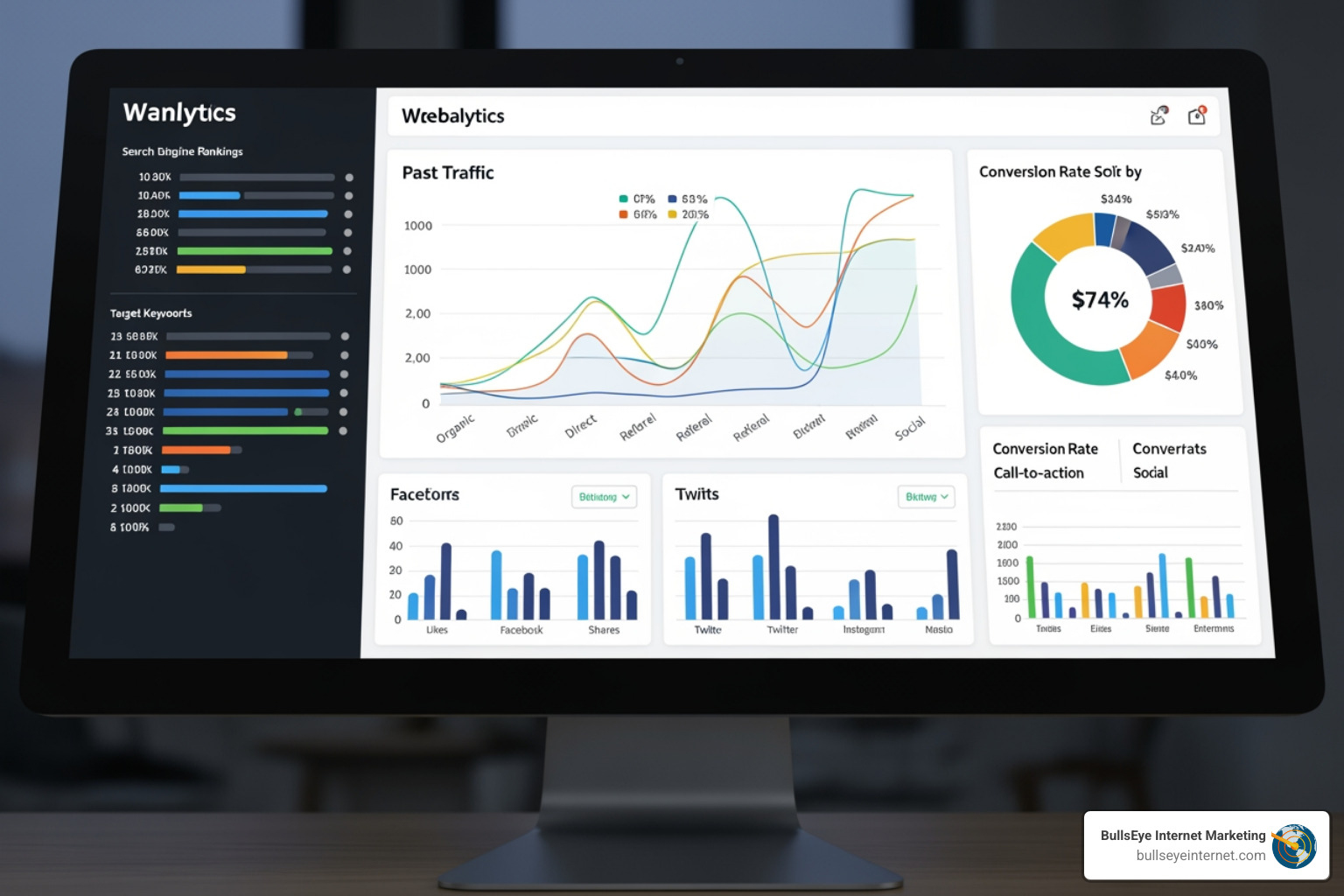
You can’t manage what you don’t measure. Internet presence management must deliver real, measurable results that impact your bottom line. Our approach is built on tracking the right analytics, calculating ROI, and adapting to market shifts. The digital landscape is always changing, so we continuously monitor performance, identify pitfalls, and adjust tactics to keep you ahead. This data-driven approach makes resource allocation clear and effective.
Key Metrics to Track Your OPM Success
To measure your internet presence management success, we track specific Key Performance Indicators (KPIs) that tell the real story.
- Website traffic: We track visitors, page views, and user behavior (like bounce rate) in Google Analytics to understand how people interact with your site.
- Social media engagement: Beyond follower counts, we measure likes, shares, and comments to see if your content truly resonates with your audience.
- Conversion rate: This is the percentage of visitors who complete a desired action (e.g., fill out a form, make a purchase). We track this to connect digital spending to real business outcomes.
- Search engine rankings: We monitor your position for target keywords using SEO tools, as visibility on the first page of Google is critical.
- Online reviews and ratings: We monitor your average star rating and review sentiment, as reviews directly impact trust and purchasing decisions for the vast majority of consumers.
- Share of Voice (SoV) & Sentiment Analysis: We also track SoV to benchmark against competitors and use sentiment analysis to understand public perception of your brand.
Here’s a quick comparison of the key metrics we monitor:
| Metric | Description | Source |
|---|---|---|
| Website Traffic | Number of visitors, page views, and unique users | Google Analytics |
| Social Media Engagement | Likes, shares, comments, mentions, and reach | Platform Insights |
| Conversion Rate | Percentage of visitors completing a desired action (e.g., lead, sale) | Google Analytics/Ad Platforms |
| Search Engine Rankings | Position of your website for target keywords | SEO Tools |
| Online Reviews/Ratings | Average star rating, number of reviews, and sentiment | Google Business Profile, Yelp, other review sites |
Common OPM Challenges and How to Overcome Them
Even the best internet presence management strategy hits roadblocks. Here’s how to steer them.
- Lack of time and resources: This is the most common challenge. Partnering with an agency offloads the work, allowing you to focus on your business. We streamline processes, prioritize high-impact tasks, and repurpose content for maximum efficiency.
- Managing online crises: A negative comment can snowball if ignored. We develop crisis plans in advance and respond quickly and professionally, often turning a negative situation into a positive one by showing you care.
- Staying updated with digital trends: The digital world changes constantly. We stay ahead by continuously monitoring industry news and algorithm updates via sources like Google Alerts to ensure our strategies remain effective.
- Overcoming negative SEO or reviews: Negative attacks or unfair reviews can be damaging. Our proactive reputation management, which includes generating positive content and testimonials, helps suppress negative results and build a stronger narrative.
- Ensuring brand consistency: Inconsistent branding across platforms confuses customers and damages trust. We establish clear brand guidelines and use centralized tools to ensure every touchpoint reflects a cohesive, professional identity.
Frequently Asked Questions about Online Presence Management
What is the difference between online presence management and web presence management?
Online Presence Management (OPM) is the broad, strategic marketing discipline focused on how your brand is perceived across the entire internet—search engines, social media, review sites, and third-party blogs. It’s about shaping the narrative and building trust.
Web Presence Management is a more technical subset, focusing on the operational security and performance of the digital assets you directly own, like your website. In short, OPM is the marketing strategy, while web presence management is the technical backbone.
How long does it take to build a strong online presence?
Building a strong online presence is a marathon, not a sprint. While paid advertising can deliver immediate visibility, the real, compounding value comes from organic efforts like SEO and content marketing. These typically take several months to a year to show significant results.
Consistency is the key. The effort you put in today builds on yesterday’s work, creating momentum that becomes a long-term competitive advantage. We view internet presence management as an ongoing journey, not a one-time project.
Is paid advertising necessary for online presence management?
No, but it can be a valuable accelerator. While organic strategies build your long-term foundation, paid ads generate immediate, targeted traffic. Search ads capture high-intent users who are actively searching for your services, while social media ads are excellent for building brand awareness.
We often recommend a blended approach, using paid ads to generate leads while your organic internet presence management efforts mature. The clear measurability of paid advertising makes it easy to calculate ROI and adjust your strategy for maximum impact.
Take Control of Your Digital Identity
A strong, positive online presence is one of your most valuable assets. It builds trust, drives qualified leads, and establishes your authority. Your internet presence management determines whether a potential customer chooses you or a competitor. Every part of your digital footprint tells a story; by strategically managing these elements, you create a cohesive brand story that resonates with your audience and compels them to act.
What sets us apart is our commitment to your success. At BullsEye Internet Marketing, we don’t use long-term contracts and work with only one client per industry per geographic area. This gives you a genuine competitive advantage because we’re not hedging our bets by helping your direct competitors.
If you’re ready to stop leaving your digital reputation to chance, we’re here to help. Since 2006, we’ve built powerful online presences that generate calls and sales, delivering transparent, measurable results. The digital landscape isn’t slowing down. Whether you’re in Miami-Dade County, Toronto, or anywhere across the U.S., Canada, or the UK, we have the proven strategies to make your business stand out. Learn more about our approach to online reputation management and find how we can transform your digital identity into your most powerful sales asset.
