
Why Pay-Per-Call Campaigns Are Changing Lead Generation
Pay per call campaigns are a performance-based advertising model where businesses only pay when a potential customer calls them. Unlike traditional digital ads where you pay for clicks that may or may not convert, you’re paying for direct phone conversations with people actively seeking your services.
Here’s how pay per call campaigns work:
- You set up a campaign – Define your service area, budget, and what qualifies as a billable call
- Publishers promote your business – Affiliates advertise your services using unique tracking phone numbers
- Customers call – Interested prospects dial the tracking number after seeing your ad
- You only pay for qualified calls – Typically calls lasting 90+ seconds that meet your criteria
- You close the deal – Your team converts the high-intent caller into a customer
The appeal is simple: phone calls convert 10 to 12 times better than other lead types. When someone picks up the phone, they’re not browsing—they’re ready to buy, book, or hire. That’s why pay per call campaigns deliver conversion rates of 30-50%, compared to just 1-2% for standard pay-per-click ads.
For businesses in competitive industries like home services, legal, insurance, and healthcare, this matters. You’re not paying for tire-kickers or accidental clicks. You’re paying for conversations with people who need your service right now.
I’m Ronnie Katz, founder of BullsEye Internet Marketing, and I’ve been helping businesses master pay per call campaigns since 2006 as part of our comprehensive performance marketing services. Over nearly two decades, I’ve seen how the right pay-per-call strategy can transform a company’s lead generation and dramatically reduce customer acquisition costs.

Pay per call campaigns terms at a glance:
What Is Pay-Per-Call and How Does It Differ from Other Advertising Models?
At its heart, pay per call campaigns represent a powerful evolution in performance-based advertising. Instead of paying for impressions or clicks, we pay for actual phone calls from prospective customers. This model capitalizes on the undeniable fact that a phone call often signals the highest level of consumer intent. When someone calls, they’re typically past the initial research phase and ready to engage, ask questions, and potentially make a purchase. This translates directly into higher conversion rates for our clients across the United States and Florida.
Let’s look at how pay per call campaigns stack up against other popular advertising models:
| Metric | Pay-Per-Call | Traditional Digital Advertising (e.g., PPC) |
|---|---|---|
| Cost Basis | Per qualified phone call | Per click or impression |
| Lead Intent | Very High (caller often ready to buy/act) | Variable (from browsing to high intent) |
| Conversion Rate | High (30-50%) | Lower (1-2%) |
| Tracking Method | Call tracking software, unique numbers | Pixel tracking, UTM parameters |
| Risk Reduction | Advertiser pays only for engaged prospects | Pays for clicks, regardless of engagement |
The Core Concept of Pay-Per-Call
The fundamental idea behind pay per call campaigns is simple: advertisers only pay for results. Specifically, they pay for qualified inbound phone calls. This structure shifts much of the acquisition risk from the advertiser to the publisher or affiliate generating the calls. Instead of spending large sums on media with uncertain returns, businesses agree on a cost per call (CPC) for leads that meet specific criteria, such as a minimum call duration (often 60-90 seconds) or geographic relevance.
This model is a game-changer because phone calls carry the highest intent of any consumer action. People only call when they are serious, and this seriousness directly translates into higher conversion rates. We’ve seen clients achieve conversion rates between 25% to 35%, and sometimes even as high as 50%, a significant leap from the typical 1-2% conversion rates of online clicks. For example, if a client pays $10 per qualified call and closes 25% of those calls, their customer acquisition cost is a predictable $40 – a clear, measurable ROI.
Pay-Per-Call vs. Other Advertising Models
The distinction between pay per call campaigns and models like pay-per-click (PPC) or pay-per-lead (PPL) is crucial. While PPC charges for every click, regardless of whether that click leads to a conversion, pay-per-call focuses on the direct engagement of a phone conversation. This model also inherently reduces the risk of online click fraud, a persistent concern in digital advertising.
A compelling statistic highlights this difference: phone calls are 10 to 12 times more likely to turn potential customers into buyers than form leads. This isn’t just about getting a lead; it’s about getting a higher quality lead that’s closer to making a purchasing decision. For our clients in Florida and across the US, this means a more efficient marketing spend and a healthier bottom line. The growth of this model is largely attributed to the popularity of smartphones, with 60% of smartphone users having contacted a business directly through search results.
The Pay-Per-Call Ecosystem: How It Works from Start to Finish
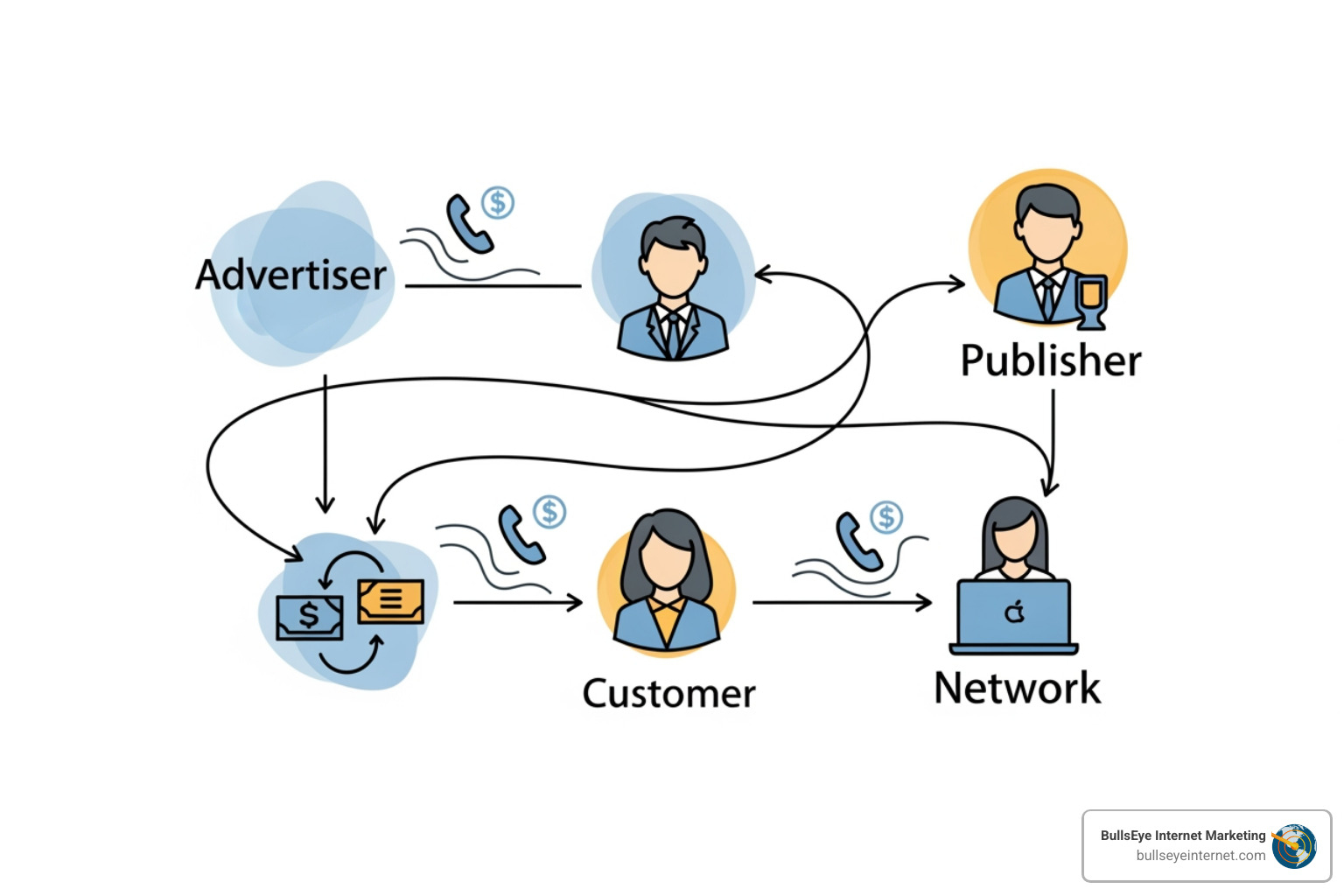
Understanding the ecosystem of pay per call campaigns involves recognizing the roles of several key players: the Advertiser, the Publisher (or Affiliate), the Pay-per-call Network, and, of course, the Customer. This interconnected system ensures that calls are generated, tracked, qualified, and ultimately delivered to the business ready to convert.
The Step-by-Step Process
Let’s break down the journey of a call in a pay-per-call campaign:
- Campaign Creation: An advertiser (our client) defines the details of their offer, including the services they want calls for, their target geographic areas (e.g., specific counties in Florida like Broward, Miami-Dade, or Palm Beach), business hours, and the criteria for a “qualified call” (e.g., minimum duration, unique caller, specific intent). They also set the bid price they are willing to pay per qualified call.
- Publisher Promotion: Pay-per-call networks then present these campaigns to their vast pool of publishers or affiliates. Publishers use various marketing channels—both online and offline—to promote the advertiser’s services. Instead of directing traffic to a website, they display a unique, trackable phone number.
- Unique Tracking Numbers: Each publisher, or even each marketing channel they use, is assigned a distinct tracking number. This is crucial for attribution, allowing us to pinpoint exactly where each call originated.
- Customer Call Initiation: An interested customer sees an ad (perhaps a call-only ad on Google, a social media ad, or even a traditional print ad) and dials the displayed tracking number. They are typically seeking immediate answers or assistance.
- Call Routing: The call is then routed through the pay-per-call network’s system to the advertiser’s designated phone line (e.g., their contact center or local office). Sophisticated routing rules can ensure calls are directed based on time of day, geographic location, or even the caller’s responses to an Interactive Voice Response (IVR) system.
- Call Qualification: During or immediately after the call, the system (often with AI assistance) assesses if it meets the predefined qualification criteria. This might include checking call duration, confirming it’s a first-time caller, or verifying specific keywords spoken.
- Publisher Commission: If the call is deemed qualified, the publisher who generated it receives a commission. The advertiser is then billed for that qualified call. If the call does not meet the criteria (e.g., too short, spam, wrong number), it’s typically not billed.
Key Components and Technology
The seamless operation of pay per call campaigns relies heavily on advanced technology:
- Call Tracking Software: This is the backbone of any successful pay-per-call strategy. It assigns unique phone numbers, routes calls, records them (with proper disclosure), and collects vital data like call duration, origin, and outcome. We use robust call tracking software to provide our clients with full visibility and attribution.
- Dynamic Number Insertion (DNI): For online campaigns, DNI dynamically displays unique tracking numbers on a website based on the visitor’s source (e.g., a specific Google Ads campaign or organic search). This allows for granular attribution of online touchpoints leading to a call.
- Interactive Voice Response (IVR): IVR systems can greet callers, provide options (e.g., “Press 1 for sales, Press 2 for support”), and even ask qualifying questions before connecting them to an agent. This helps filter calls and route them to the most appropriate destination.
- Call Recording & Transcription: These features are invaluable for quality assurance, agent training, and dispute resolution. Call recordings serve as proof of results and provide insights into customer needs and agent performance. AI Call Summaries can further simplify analysis by providing concise overviews.
- Call Routing Rules: Advanced systems allow for complex routing logic. For example, calls from Miami-Dade County for plumbing services might go to one office, while calls from Palm Beach County for HVAC repair go to another, or even to different agents based on their availability.
- CRM Integration: Integrating call data with a client’s Customer Relationship Management (CRM) system ensures that all lead information and interactions are centralized, providing a holistic view of the customer journey.
- Call Analytics and Reporting: Comprehensive dashboards provide real-time data on call volume, duration, conversion rates, and cost per qualified call. This allows for continuous optimization of campaigns.
Launching and Optimizing High-Impact Pay-Per-Call Campaigns

Successfully running pay per call campaigns isn’t just about setting it up and hoping for the best. It requires strategic planning, continuous optimization, and a keen eye on lead quality and ROI. Our goal at BullsEye Internet Marketing is to ensure our clients in Florida and across the US not only get calls but get the right calls that turn into revenue.
Effective Channels for Driving Calls
Pay per call campaigns can be incredibly versatile, leveraging both online and traditional marketing channels:
- Google Ads (Call-Only Ads & Call Extensions): These are often the workhorses of pay-per-call. Call-only ads appear directly in search results and, when clicked on a mobile device, initiate a call. Call extensions add a clickable phone number to standard search ads. In our experience, up to 80% of calls can originate from call-only ads in some affiliate networks, highlighting their effectiveness.
- Local SEO (Google Business Profile): Optimizing your Google Business Profile with a trackable phone number allows local customers to find and call your business directly from Google Maps and local search results, often with high intent.
- Social Media Click-to-Call Ads: Platforms like Facebook and Instagram offer click-to-call buttons on ads, allowing users to instantly connect with your business. This is excellent for targeting specific demographics and interests.
- Traditional Media (TV, Radio, Print): Don’t underestimate the power of offline channels! Unique tracking numbers can be integrated into TV commercials, radio spots, and print ads (e.g., in local newspapers or magazines in areas like Martin County or St. Lucie County). This expands distribution and audience reach significantly.
- Email Marketing: Including trackable phone numbers in email campaigns can drive calls from engaged subscribers who prefer to speak directly to someone.
Measuring Success in Your Pay-Per-Call Campaigns
Tracking and analyzing performance is paramount. We focus on several key metrics to ensure our pay per call campaigns are delivering optimal ROI:
- Call Duration: This is often the primary qualification metric. Advertisers typically only pay for calls exceeding a certain length (e.g., 60, 90, or 120 seconds), as longer calls usually indicate genuine interest. Average call durations often range between 2 to 4 minutes.
- Geo-targeting: We monitor calls to ensure they originate from and are relevant to our clients’ specified service areas. Calls outside these zones are usually filtered out and not billed.
- First-Time Callers: Many campaigns focus on acquiring new customers, so tracking first-time callers is essential. Deduplication periods (commonly 30 days) prevent advertisers from being charged for repeat calls from the same customer within a specified timeframe.
- Conversion Tracking: Beyond just call duration, advanced tracking can identify calls that lead to actual sales, appointments booked, or other desired outcomes. This allows for optimization towards true conversions.
- Keyword Spotting: AI-powered tools can analyze call transcriptions for specific keywords or phrases, indicating high intent or specific service needs, further refining call quality assessment.
- Unanswered Call Analysis: Identifying and analyzing unanswered calls is crucial. These represent lost opportunities, and our systems can often flag these for follow-up or re-engagement, ensuring no valuable lead slips through the cracks.
Navigating Common Challenges
While highly effective, pay per call campaigns aren’t without their challenges. We proactively address these to protect our clients:
- Managing Call Volume: Rapid success can sometimes lead to overwhelming call volumes. We work with clients to implement call capping and intelligent routing to ensure their call centers can handle the influx without sacrificing customer experience.
- Ensuring Call Quality: Not all calls are created equal. We continuously monitor call quality through recordings, transcriptions, and feedback from our clients’ sales teams. This helps us refine targeting and publisher selection.
- Affiliate Fraud Prevention: Just like in other performance marketing channels, there’s a risk of fraudulent or low-quality calls. We employ robust fraud detection tools and work with reputable networks that have strong compliance measures to minimize this risk.
- TCPA Compliance: The Telephone Consumer Protection Act (TCPA) and other national and state-specific regulations (like CCPA in California) are critical. We ensure that all call generation methods and practices adhere to these laws, particularly regarding consent-based marketing and call recording disclosures, protecting our clients from legal liabilities.
- Maintaining a Positive Customer Experience: The customer’s experience on the phone reflects directly on our clients’ brands. We emphasize the importance of well-trained call handlers who can efficiently convert high-intent callers into satisfied customers. A shocking 78% of customers have backed out of a purchase due to poor customer experiences.
The Strategic Advantages: Why Businesses and Publishers Win
The beauty of pay per call campaigns lies in its mutual benefit structure, creating a win-win scenario for both advertisers and publishers. This collaborative model drives significant revenue growth and scalability, making it a cornerstone of modern performance marketing.
Benefits for Advertisers (The Call Buyers)
For businesses, particularly those with a high average order value or a complex sales cycle, pay per call campaigns offer compelling advantages:
- High-Quality Leads: Callers are typically in the later stages of their buying journey, having done their research and ready to make a decision. This means they are 10 to 12 times more likely to convert than leads from web forms.
- Improved ROI: By paying only for qualified calls, advertisers significantly reduce wasted ad spend. This performance-based model means that inbound leads on average cost 61% less as compared to outbound leads, leading to a much higher return on investment.
- Improved Customer Insights: Call recordings and transcriptions provide invaluable insights into customer pain points, common questions, and what ultimately drives conversions. This data can be used to refine marketing messages and improve sales scripts.
- Expanded Distribution: Pay per call allows businesses to tap into a vast network of publishers across various channels (online, mobile, TV, radio, print) without the overhead of managing each channel directly.
- Predictable Acquisition Cost: With a set cost per qualified call, businesses gain predictability in their customer acquisition costs, stabilizing their marketing budgets and making financial planning much easier.
Benefits for Publishers (The Call Generators)
Publishers, or affiliates, also find pay per call campaigns highly lucrative:
- New Revenue Streams: Publishers can monetize existing traffic or generate new traffic by promoting offers that lead to phone calls, diversifying their income.
- High Payouts (Commissions): Because pay-per-call leads are so valuable, commissions can be significantly higher than for clicks or form fills. Some offers pay hundreds of dollars for a single lead, with dating niche campaigns paying $50-$100 alone, and some networks even offering up to $1700 for a single lead in certain verticals.
- Monetizing Existing Traffic: Publishers can leverage their current audience and content by integrating trackable phone numbers, converting visitors who prefer to call rather than click.
- Access to Diverse Offers: Pay-per-call networks provide a wide array of ready-to-go offers across various industries, allowing publishers to find campaigns that align with their niche and audience.
- Performance-Based Earnings: Publishers are rewarded directly for their ability to generate high-quality, converting calls, creating a transparent and motivating earning model.
Who Benefits Most? Top Industries for Pay-Per-Call
While many businesses can benefit, certain industries particularly thrive with pay per call campaigns due to the high-value nature of their services and the necessity of a human touch in the sales process:
- Home Services: (e.g., plumbing, HVAC, roofing, electrical, pest control) – When a pipe bursts or the AC goes out in Miami-Dade, people call immediately.
- Legal Services: (e.g., personal injury, family law, bankruptcy) – Legal issues are complex and often require a direct conversation with an attorney.
- Insurance: (e.g., auto, health, home) – Customers frequently call to compare quotes, understand policy details, or file claims.
- Healthcare: (e.g., dentists, plastic surgeons, specialists) – Booking appointments, discussing procedures, or understanding insurance coverage often happens over the phone.
- Financial Services: (e.g., mortgages, loans, debt consolidation) – These are high-consideration decisions where personalized advice is crucial.
- Travel: (e.g., booking complex trips, cruises, vacation packages) – Many travelers prefer speaking to an agent for detailed planning.
- High-Consideration Retail: Products or services with an average order value north of $400 often benefit from a sales conversation to answer questions and close the deal.
Choosing Your Partner: Navigating Pay-Per-Call Networks
As with any specialized marketing strategy, the success of your pay per call campaigns hinges significantly on the partners you choose. Navigating the landscape of pay-per-call networks and technology platforms requires due diligence to ensure a fruitful collaboration.
The Role of Pay-Per-Call Networks
Pay-per-call networks act as vital intermediaries, connecting advertisers with a vast ecosystem of publishers. Their primary functions include:
- Connecting Advertisers and Publishers: They serve as a marketplace, making it easy for businesses to find affiliates capable of generating calls and for publishers to find relevant offers.
- Managing Tracking and Payments: Networks handle the complex technical aspects of call tracking, ensuring accurate attribution of calls to the correct publisher. They also manage the financial transactions, collecting payments from advertisers and disbursing commissions to publishers.
- Providing Offers: Networks curate a wide variety of offers across different verticals, complete with predefined qualification criteria and commission rates, simplifying the process for both parties.
- Taking a Margin: For their services in facilitating these connections and managing the technical and financial infrastructure, networks take a margin from the transaction.
What to Look for in a Pay-Per-Call Partner
When selecting a partner for your pay per call campaigns, whether it’s a network or a technology provider, consider these critical factors:
- Transparent Tracking and Reporting: Demand clear, real-time access to your call data. You should be able to see call volume, duration, geographic origin, and conversion metrics. This transparency is crucial for optimizing your campaigns and understanding your ROI.
- Fair Commission Rates: Ensure the commission structure aligns with the value of the leads you receive. For publishers, look for networks offering competitive payouts (e.g., starting at least $15 per fixed lead, with potential for much higher).
- Payout Frequency: For publishers, frequent payouts (weekly or bi-weekly) can be a significant advantage for cash flow. Advertisers should understand their billing cycles.
- Technical Support: Responsive and knowledgeable technical support is essential for troubleshooting any issues, setting up campaigns, and integrating with existing systems.
- Campaign Management Tools: Look for platforms that offer robust tools for setting up and managing campaigns, including options for geo-targeting, day-parting, call capping, and dynamic routing.
- Compliance Standards: Given the regulatory landscape around telemarketing and consumer privacy (TCPA, CCPA), a reputable partner will have stringent compliance protocols in place, vetting publishers and ensuring all call generation methods are legal and ethical. This protects your brand from potential legal issues.
Conclusion: Turn Your Inbound Calls into Revenue
Pay per call campaigns are more than just a marketing trend; they are a strategic imperative for businesses seeking high-intent leads and measurable ROI. By focusing on direct phone conversations, you bypass the uncertainty of clicks and connect immediately with customers who are ready to engage. This model consistently delivers higher conversion rates, more predictable acquisition costs, and invaluable customer insights.
At BullsEye Internet Marketing, we understand the power of the phone call. As a digital marketing agency specializing in generating calls and sales through Pay Per Lead, Google Business Profile Optimization, SEO, PPC, and conversion optimization, we’ve seen how mastering pay per call campaigns can transform businesses. We believe in providing competitive advantages, which is why we offer no long-term contracts and work exclusively with one client per industry per geographic area. Whether you’re in Miami, Fort Lauderdale, West Palm Beach, or anywhere across Florida and the US, we’re here to help you turn those valuable inbound calls into revenue.
The importance of handling these high-intent calls effectively cannot be overstated. A well-trained sales team, ready to convert, is the final piece of the puzzle that ensures your investment in pay-per-call truly pays off.
Ready to dial up your marketing results and experience the transformative power of direct customer conversations?
