
What Is Pay Per Call Plumbing and How Does It Work?
At its core, pay per call plumbing operates on a simple, performance-based agreement: digital marketing campaigns are built to capture high-intent local plumbing searches, but instead of charging you for ad impressions or website clicks, you only pay when an actual prospective customer calls your business.
Traditional online marketing often leaves contractors paying for passive web traffic. A prospect might click your ad, read your homepage, get distracted, and close the tab — yet you still pay for that click. With inbound call marketing, the consumer has already progressed past the browsing stage. They are experiencing a active plumbing issue and actively want to speak with a dispatcher or technician right away.
To get a complete overview of how these frameworks function across different industries, check out our Pay Per Call Services Ultimate Guide and read about why it remains Pay Per Call A Cost-Effective Way to Generate Leads.
Live Phone Leads vs PPC and Shared Leads
When evaluating lead channels, contractors typically choose between standard Pay-Per-Click (PPC) search ads, shared form leads from major online directories, and exclusive live phone leads.
Standard PPC requires continuous landing page testing, bid adjustments, and negative keyword optimization. If your landing page takes longer than 3 seconds to load, over 53% of mobile users abandon it before contacting you. Furthermore, every 1-second delay in page load results in a 7% drop in conversions. PPC puts the burden of conversion entirely on your website.
Shared form leads carry a different set of challenges. When a homeowner fills out a project request on a directory site, that contact information is frequently resold to four or five competing plumbers simultaneously. This triggers an aggressive race to call the homeowner first, drastically lowering your booking rate while annoying the customer.
| Feature / Metric | Pay Per Call | Standard PPC | Shared Form Leads |
|---|---|---|---|
| Lead Format | Live Inbound Call | Website Visitor / Click | Name, Email, Phone Form |
| Exclusivity | 100% Exclusive | Exclusive to your site | Resold to 3–5 competitors |
| Lead Lag Time | Zero (Instant live ring) | Varies (User must fill form/call) | High (Delayed form distribution) |
| Conversion Rate | High (~60% average booking) | Moderate (5%–15% site conversion) | Low (Speed-to-lead race) |
| Billing Trigger | Qualified Call Duration | Ad Click | Delivered Form Data |
Core Benefits for Local Plumbing Contractors
Adopting live phone lead generation offers distinct structural advantages for growing plumbing fleets:
- High Booking Rates: Because the customer is taking the initiative to pick up the phone, intent is locked in. Exclusive phone leads regularly convert into booked service calls roughly 60% of the time when handled by a trained customer service representative (CSR).
- Zero Lead Lag: There are no unread emails or cold web submissions sitting in a inbox overnight. The call rings directly to your shop or call center in real time.
- Predictable Acquisition Costs: You eliminate ad spend waste because non-qualifying interactions (like wrong numbers, short hangups, or solicitors) do not meet billable duration thresholds.
- Granular Budget Control: You can set daily or weekly budget caps to perfectly align lead flow with truck availability and technician schedules.
Campaign Configuration and Quality Control Filters
Setting up a successful inbound lead campaign requires careful configuration behind the scenes. You shouldn’t simply open the floodgates to every phone call generated across the web. You need robust routing protocols, dynamic call tracking, and strict screening mechanisms to protect your ad budget.
To understand the mechanics of dynamic routing and call filtering, explore our insights on Call Tracking Services That Turn Every Ring Into Revenue.
Optimizing Pay Per Call Plumbing Setup and Targeting
To ensure you only receive phone calls from ideal customers within your operational footprint, campaigns must be configured around specific targeting criteria:
- Geographic Boundary Mapping: Target exact ZIP codes, municipalities, or radiuses around your shop to avoid paying for leads in areas your technicians don’t cover.
- Service Category Selection: Separate emergency repair inquiries (like water heater leaks or main line backups) from low-margin or non-core services (like minor faucet drips) to keep your schedule filled with high-ticket jobs.
- Keyword Intent Filtering: Campaign ads are triggered primarily by urgent, high-intent local search queries like “emergency drain cleaning near me” or “water heater replacement contractor.”
- Interactive Voice Response (IVR) Screening: Callers encounter a quick automated prompt before connecting (e.g., “Press 1 for residential plumbing service”). This filters out spam bots, auto-dialers, and misdirected calls before they reach your dispatch desk.
Service Area Alignment and Crew Capacity Throttling
A common challenge for expanding contractors is balancing marketing volume with operational capacity. If your dispatch board is entirely full for the next two days, continuing to take emergency phone calls leads to turned-away customers, long wait times, and bad reviews. Over 97% of consumers read online reviews for local home service businesses before hiring, and negative reviews sway up to 67% of consumers away from booking.
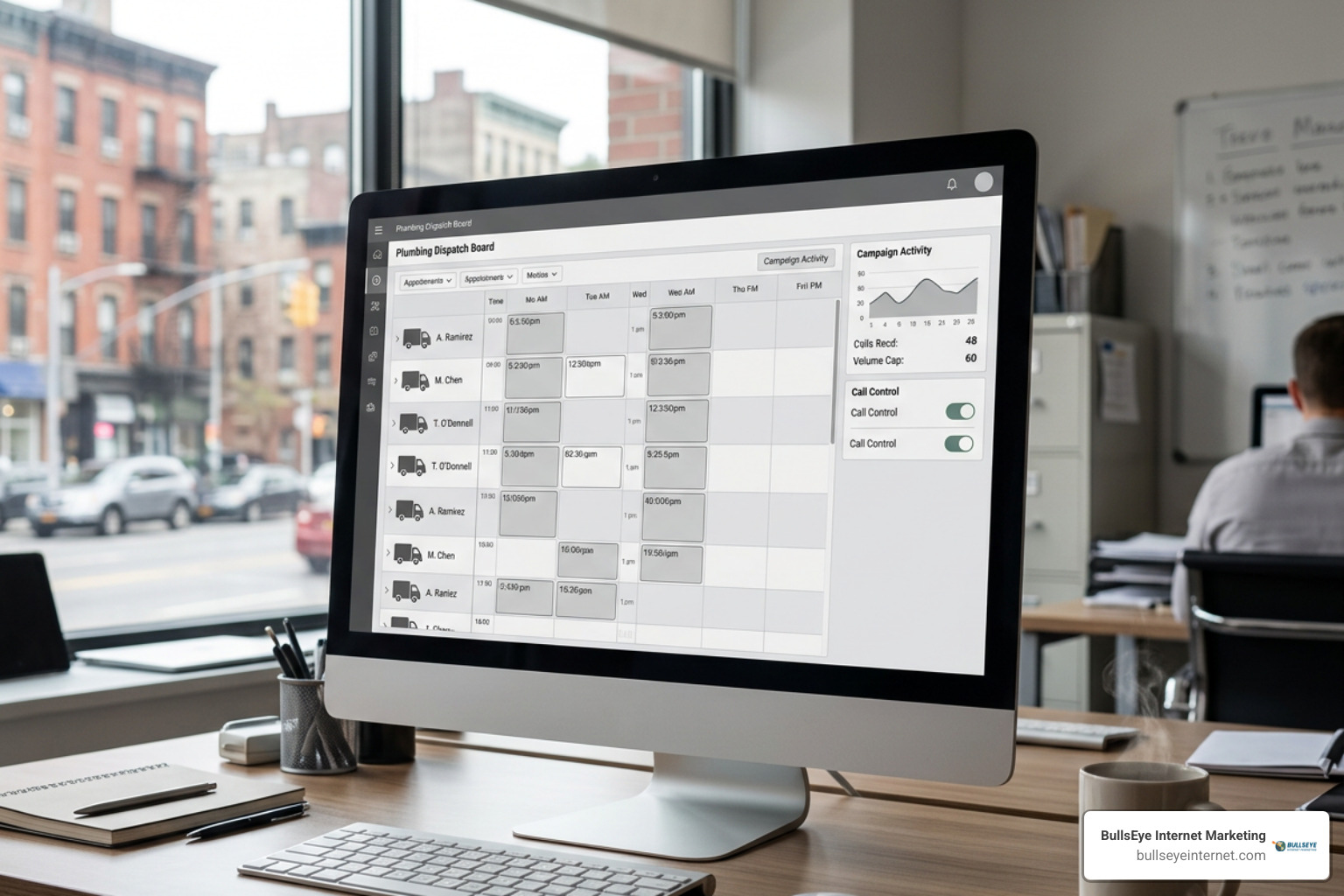
To prevent operational bottlenecks:
- Establish Schedule Throttling: Work with your lead provider to pause or scale down call campaigns when your scheduling board hits 90%+ capacity.
- Set Daily Call Caps: Match daily call volume limits directly to the number of available field technicians on duty for each shift.
- Account for Seasonality: Raise call caps during seasonal demand surges (such as winter freeze warnings or heavy rain events) and lower them during predictable lulls.
Quality Control Safeguards and Refund Policies
A key advantage of working with a professional lead partner is clear financial protection through billable call criteria. You should never be billed for low-quality or irrelevant traffic.
- Call Duration Thresholds: A standard qualify duration is typically set between 30 and 120 seconds. If a caller hangs up within 20 seconds, gets a wrong number, or asks for a service you don’t offer, the call is classified as non-billable.
- Call Recording Audits: Modern platforms record inbound calls so both parties can review disputed charges. If a call was a duplicate ring from an existing customer or a sales cold-call, it can be flagged for a prompt refund credit.
- TCPA Compliance: Ensure all traffic channels strictly comply with Telephone Consumer Protection Act (TCPA) guidelines to safeguard your business from legal liabilities.
Operational Strategy: Dispatching, CSR Training, and Field Execution
Generating high-intent calls is only half the battle. Once the phone rings, your internal operations dictate whether that lead turns into revenue or a wasted opportunity.
CSR Best Practices for Handling Pay Per Call Plumbing Inquiries
Your Customer Service Representatives (CSRs) represent the frontline of your company. Inbound callers dealing with plumbing emergencies are often stressed and impatient. CSRs must handle these calls with urgency, empathy, and clear execution.
- Answer Within Three Rings: Lead conversion drops significantly for every ring cycle a customer waits. Rapid pickup prevents the caller from hanging up and ringing the next contractor on Google.
- Follow a Concise Intake Script: Train CSRs to quickly capture key details: the customer’s name, physical address, scope of the plumbing emergency, and payment method.
- Focus on Booking the Service Call: Avoid giving exact over-the-phone diagnostic estimates for complex jobs. Train CSRs to explain: “Our dispatch fee is $[Amount], which includes a full on-site evaluation by a licensed plumber who will give you flat-rate pricing options before any work begins.”
- Log Call Details in CRM: Instantly enter the customer profile into your field service management software so the assigned technician receives full context on their mobile device prior to arrival.
Field Technician Enablement and On-Site Conversion
Once the job is dispatched, field technicians carry the responsibility of converting the service call into a profitable ticket. Equipping your crew with modern mobile tools transforms average service visits into high-value sales.

- Mobile Pricebooks: Provide technicians with digital tablets featuring visual flat-rate pricebooks. This allows them to present transparent, standardized options for repairs or full system replacements.
- Multi-Option Quoting: Train technicians to offer three service tiers on every call: Good (basic repair), Better (repair with upgraded component replacement), and Best (complete system upgrade with extended warranty).
- Permit and Code Compliance: For major structural jobs, sewer line replacements, or water heater installations, ensure your team adheres to local municipal permitting standards, such as local Plumbing Permits regulations, to guarantee safety and compliance.
Pricing Benchmarks, Provider Selection, and Tracking ROI
To maintain profitable marketing campaigns, you must understand standard cost structures, pricing variables, and key performance indicators (KPIs).
Pricing Factors and Cost Per Lead Ranges
In the home service industry, exclusive qualified plumbing call leads generally cost between $25 to $150+ per lead. Where your business falls within this range depends on several factors:
- Geographic Market Competition: Metropolitan areas like Miami, Fort Lauderdale, or West Palm Beach command higher lead rates due to dense contractor competition compared to smaller rural markets.
- Service Urgency and Ticket Value: High-ticket, high-urgency categories like emergency water heater replacements, trenchless sewer repairs, or main line re-piping carry higher per-call costs than standard drain cleanings.
- Seasonality and Time of Day: After-hours emergency calls or calls generated during severe freeze events often carry premium pricing due to spike demand.
Essential Tools and CRM Integrations
To run a seamless lead-to-revenue pipeline, your marketing platform should integrate directly with specialized software tools:
- Field Service Management (FSM) Systems: Software like ServiceTitan, Housecall Pro, or BuildOps centralizes dispatching, job tracking, and customer invoicing.
- Dynamic Call Tracking Platforms: Tools like CallRail track caller source data and automatically record calls for CSR training and audit disputes.
- Automated Review & Marketing Engines: Platforms like Birdeye or Hatch send automated post-service SMS review requests and re-engage former clients with seasonal service reminders.
For a deeper look into search marketing integration, see our comprehensive resources on Google Ads for Plumbers and our Local Lead Generation Services Complete Guide.
Scaling Lead Volume and Nurturing Repeat Business
Once you establish a profitable pay-per-call foundation, you can systematically scale your lead volume into neighboring service zones while focusing on customer retention.
Avoiding Common Pitfalls in Pay-Per-Call Marketing
Even well-funded campaigns can underperform if basic operational mistakes occur. Avoid these common failure points:
- Unanswered Calls: Letting inbound calls go to voicemail during active campaign hours completely wastes your ad spend.
- Unoptimized Service Boundaries: Paying for phone calls originating outside your secondary dispatch radius increases drive times and fuel expenses while frustrating homeowners.
- Ignoring Call Logs: Failing to regularly audit incoming call recordings prevents you from identifying CSR booking weaknesses or claiming valid lead refunds.
Turning Emergency Call-Outs into Lifetime Customers
An emergency call-out for a burst pipe should be the start of a long-term relationship, not a single transaction.

- Introduce Annual Service Memberships: Have technicians present maintenance agreements (e.g., annual water heater flushes and plumbing inspections) at the end of every completed repair call.
- Automate Post-Service Follow-Ups: Trigger automated email and SMS workflows 3 days, 30 days, and 6 months after a service call to request reviews, share seasonal tips, or check on system performance.
- Collect Reviews Systematically: Send a direct tap-to-review link via text message immediately after the technician completes the final walkthrough.
Frequently Asked Questions About Plumbing Lead Generation
How much do exclusive pay-per-call plumbing leads typically cost?
Exclusive qualified phone leads for plumbing contractors typically range from $25 to $150+ per call. The cost varies based on your local market competition, job category urgency, and geographic region.
What criteria make an inbound call billable versus non-billable?
A call is generally considered billable if it meets or exceeds the agreed qualification duration (typically 30–120 seconds) from a unique caller residing within your designated service area. Non-billable calls include wrong numbers, immediate hangups, automated telemarketing calls, repeat calls from existing customers, or calls seeking services outside your specified offerings.
How quickly should CSRs answer and dispatch incoming call leads?
Inbound phone leads should be answered within three rings (under 15 seconds). Emergency callers rarely wait on hold or leave voicemails — if the line rings endlessly, they will hang up and immediately call a competitor.
Drive Predictable Growth with Exclusive Plumbing Leads
Mastering pay per call plumbing gives your service company complete control over your dispatch schedule and marketing investments. By shifting away from unpredictable pay-per-click models and shared form submissions, you stop paying for hollow ad clicks and start paying exclusively for real, live conversations with ready-to-book homeowners.
At BullsEye Internet Marketing, we help plumbing contractors transform their lead generation into a reliable profit center. Our approach is straightforward:
- 100% Exclusive Leads: We never sell the same phone lead to your local competitors.
- Market Exclusivity: We work with only one client per industry per geographic area, granting you an exclusive competitive advantage in your market.
- No Long-Term Contracts: We earn your business every month based on transparent performance and real ROI.
Whether you operate a growing fleet across Broward County, Miami-Dade, Palm Beach, or anywhere in South Florida and across the US, we are ready to help you fill your dispatch board with high-converting phone calls.
Ready to scale your plumbing business with high-intent call leads? Contact BullsEye Internet Marketing today to secure market exclusivity in your area!
