
Why Your Business Needs to Increase Local SEO Right Now
Increase local SEO and you’ll open up one of the most powerful tools for driving real customers to your door. Here’s what you need to know:
Quick Steps to Increase Local SEO:
- Claim and optimize your Google Business Profile – Complete every field with accurate information
- Build consistent local citations – Ensure your Name, Address, and Phone (NAP) match everywhere online
- Earn customer reviews – Ask satisfied customers to leave feedback and respond to all reviews
- Create location-specific content – Add local keywords naturally to your website pages
- Build local backlinks – Connect with local organizations, sponsors events, and earn media mentions
- Optimize for mobile – Most local searches happen on smartphones
- Use local business schema – Help search engines understand your business details
The stakes are high: 98% of consumers use the internet to find local businesses, and 88% of mobile searchers call or visit within 24 hours. That’s not just traffic—that’s revenue.
However, many businesses get local SEO wrong. They have inconsistent listings, ignore reviews, and forget about mobile users, then wonder why the phone isn’t ringing. Local SEO isn’t magic; it’s a series of clear steps that prove to Google your business is relevant, trustworthy, and nearby.
Appearing in Google’s Local Pack (the top three map results) versus being buried on page two can mean the difference between a thriving business and an invisible one. Since only 5% of searchers look past the first page, if you’re not ranking locally, you’re not competing.
I’m Ronnie Katz, and for over 20 years, I’ve helped businesses increase local SEO visibility and turn searches into revenue. At BullsEye Internet Marketing, we know the right local strategy can transform a struggling business into a local leader.
Relevant articles related to increase local seo:
- content marketing for local seo
- local seo strategy template
- search engine optimization service near me
What is Local SEO and Why It Matters
Local SEO is the process of optimizing your online presence to appear in search results when nearby users search for your products or services. For example, when a customer searches for “Italian restaurant” on their phone, Google shows them local options. That’s local SEO in action.
For businesses with a physical storefront or those serving a specific area (like a plumber in Miami or a bakery in West Palm Beach), local SEO is critical. It’s how you get found by people who are most likely to become customers.
These are high-intent searches. Local searchers are typically ready to buy a product or use a service now and nearby.
The statistics speak for themselves:
- 98% of consumers use the internet to find information about local businesses.
- 88% of searches for local businesses on a mobile device either call or visit the business within 24 hours.
- 78% of location-based mobile searches result in an offline purchase.
- 18% of local smartphone searches led to a purchase within a day, compared to only 7% of non-local searches.
To attract customers in South Florida, Broward County, or any of the cities we serve, mastering local SEO is non-negotiable. It helps increase foot and web traffic, manage your online reputation, and compete effectively with other local businesses.
The Foundation: Mastering Your Google Business Profile and Local Listings
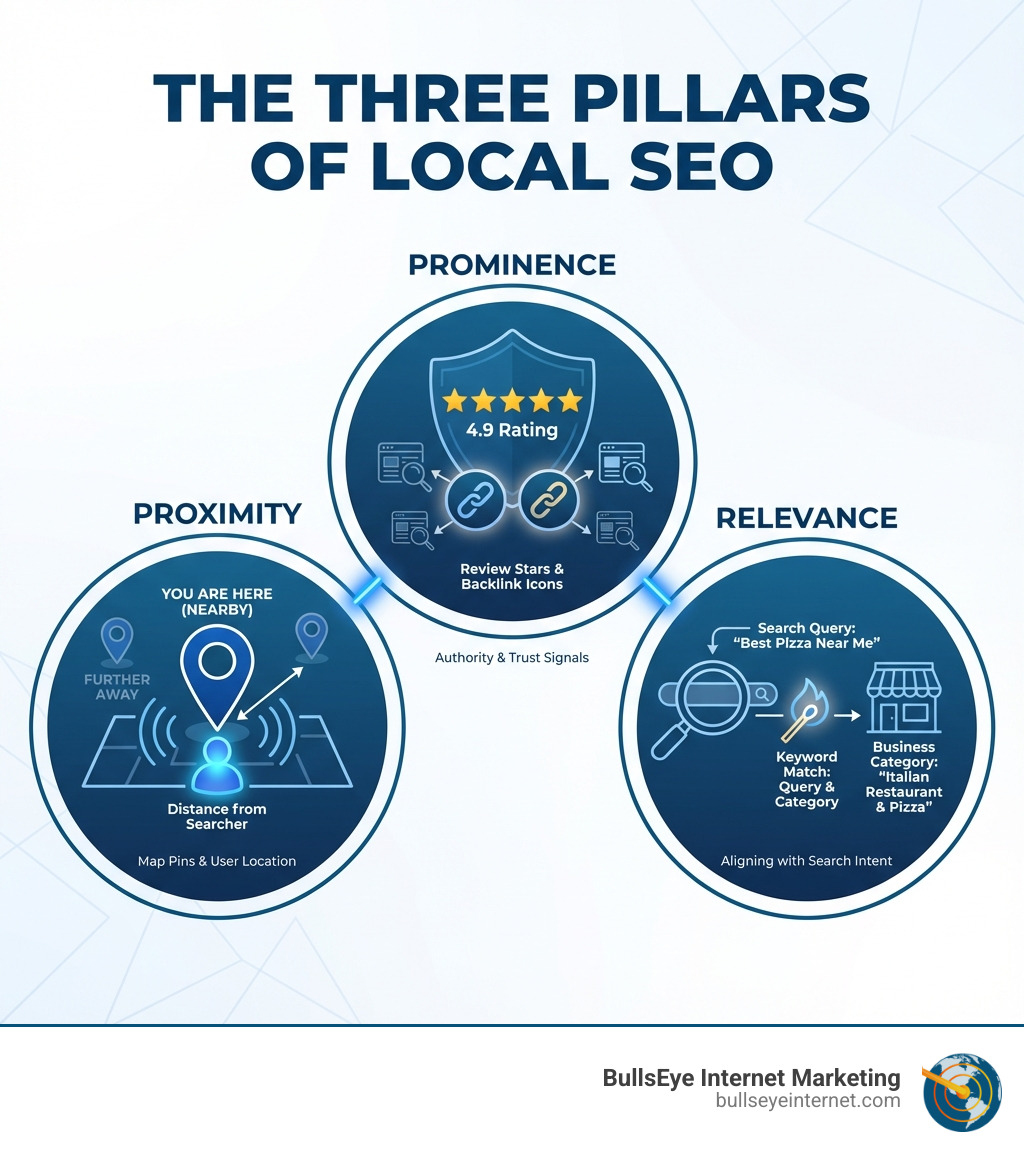
Google determines local search rankings based on three core factors:
- Relevance: How well your Business Profile matches a search query. If someone searches for “HVAC repair in Fort Lauderdale,” Google wants to show HVAC businesses, not sushi restaurants.
- Distance: How far each potential business is from the searcher’s location. Closer is better, all else being equal.
- Prominence: How well-known a business is, based on factors like reviews, overall online presence, and even offline brand awareness.
These factors heavily influence your appearance in the “Local Pack” or “Map Pack”—the top three business listings with a map that appear in local search results. Landing here commands significant visibility and clicks.
You can’t pay for a better local ranking on Google; you must earn it. Google’s own guidelines stress the importance of a complete and accurate Google Business Profile.
How to Fully Optimize Your Google Business Profile
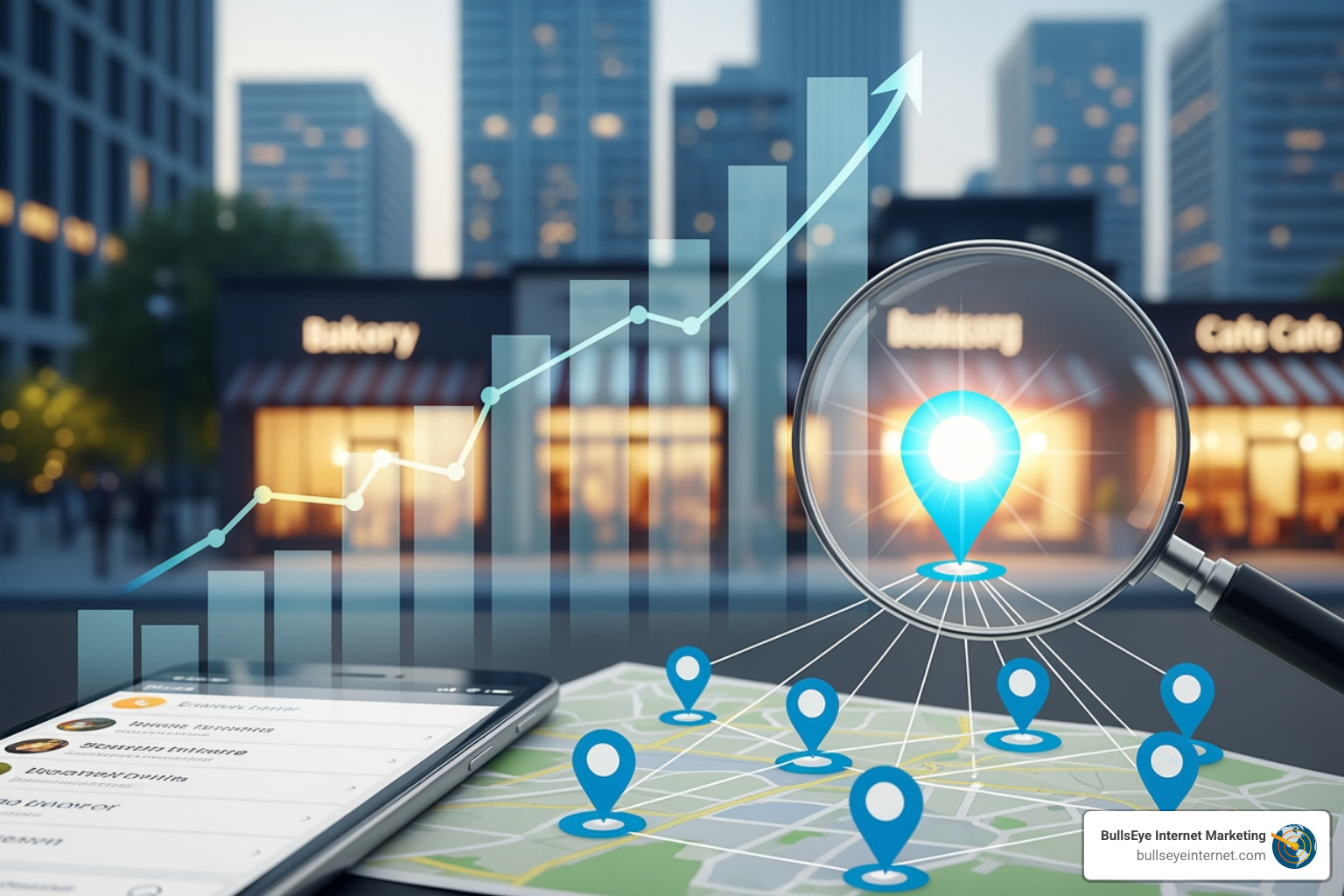
Your Google Business Profile (GBP) is the cornerstone of your local SEO strategy. Think of it as your digital storefront on Google Search and Maps. A complete optimization is the single most important step to increase local SEO.
Here’s how to make your GBP shine:
- Claiming and Verifying Your Profile: First, claim and verify your business to prove ownership and manage your listing.
- Complete and Accurate Information: Fill out every field with your exact business name, address, phone number, website, and hours (including holidays). Inaccuracy hurts your visibility.
- Business Categories: Select the most accurate primary and secondary categories. A “Plumber” in Miami should choose “Plumber” as the primary category, not just “Contractor,” to help Google understand your services.
- Services and Products: List all services and products you offer. For a bakery in Boynton Beach, this might include “custom cakes” or “fresh bread” to match specific queries.
- High-Quality Photos and Videos: Upload high-quality photos of your storefront, products, and team. Visuals grab attention and build trust.
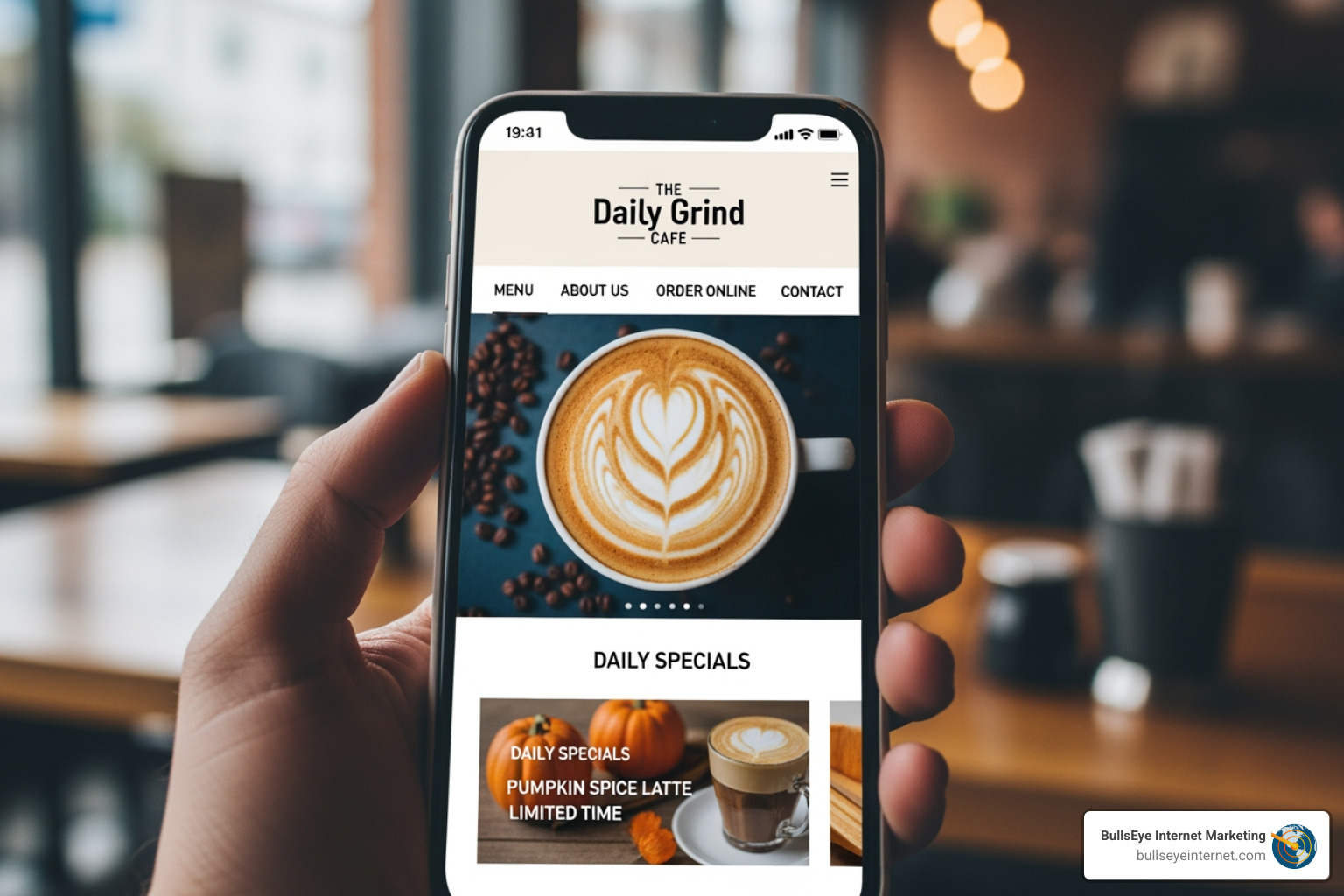
- Google Posts: Use these mini-updates on your GBP to announce specials, events, or new products. A restaurant in Coral Gables could post a daily special.
- Q&A Feature: Monitor and promptly answer customer questions on your GBP. This shows you’re engaged and provides valuable information.
Building Consistent Local Listings
Beyond GBP, your online presence includes other directories and platforms, known as local listings or citations. These are mentions of your business’s Name, Address, and Phone number (NAP).
NAP consistency is paramount. It builds trust with search engines and ensures customers find the correct information.
- Trust Signals for Search Engines: Consistent information across reputable sources reinforces the legitimacy of your business data to Google.
- User Experience: Accurate NAP prevents customer frustration and lost opportunities, no matter where they find you.
Here’s how to build and maintain consistent local listings:
- Top Listing Sources: Ensure your business is on major data aggregators like Data Axle, Localeze, and Foursquare (for U.S. companies), which distribute your info to hundreds of other sites.
- Local & Industry Directories: Seek out directories specific to your Florida location (e.g., Fort Lauderdale business directories) and your industry (e.g., legal or medical directories).
- Essential Information to Keep Consistent:
- Name: Your exact registered business name.
- Address: Your precise street address, formatted identically everywhere.
- Phone Number: Your main business phone number, formatted identically.
- Website: Your primary website URL.
Regularly audit your NAP information across the web to identify and fix inconsistencies. Tools can help streamline this process.
How to Increase Local SEO with On-Site and Technical Optimization
Your website is a powerful tool for local SEO. You must optimize it for both users (on-page SEO) and search engines (technical SEO) to signal to Google that you are a relevant local business.
A well-optimized website is a strong local ranking factor. Good user experience (UX) signals value to Google, while a poor UX (slow speeds, confusing navigation) increases bounce rates and hurts rankings.
Performing Local Keyword Research
To effectively increase local SEO, you must understand what local customers are searching for. This starts with targeted local keyword research.
- Identifying Local Keywords: Look for keywords with geographic terms, like your city (“plumber in Miami”), neighborhood (“bakery in Coconut Grove”), or region (“HVAC repair South Florida”).
- “Near Me” Searches: With “near me” searches growing over 400% year-over-year, optimize your content to naturally answer these implied local queries.
- Geo-Modified Keywords: Target keywords combined with a location, such as “car mechanic Fort Lauderdale” instead of just “car mechanic.”
- User Search Intent: Analyze if users are looking for information, a product, or a service. “Best pizza Miami” has a different intent than “pizza delivery Miami.” Tailor your content to match.
- Using Keyword Research Tools: Use reputable keyword tools to find high-volume local keywords, analyze search intent, and see what competitors are ranking for. Focus on long-tail keywords, which often have less competition and higher conversion rates.
- Competitor Analysis: Analyze your local competitors’ keywords to identify opportunities and refine your strategy.
Creating Location-Specific Pages and Content
For businesses with multiple locations, creating dedicated landing pages for each is a powerful strategy to increase local SEO.
- Why Create Location Pages? Dedicated pages help Google see each branch as a distinct entity, making you more relevant in local searches for that area.
- What to Include: Each location page must be unique and include the location’s specific NAP, an embedded map, hours, local content, and testimonials.
- Creating Locally Relevant Blog Content: Create blog content that emphasizes your local connection. Write about local events you’re sponsoring, customer success stories from specific Florida cities, or partnerships with other local businesses.
- Community Involvement: Sponsoring local events, like a little league team in Kendall or a charity in West Palm Beach, can boost local SEO by generating brand awareness, media coverage, and valuable local backlinks.
Essential Technical Elements to Increase Local SEO
Technical SEO ensures your website is crawlable and understood by search engines.
- Mobile-First Indexing: Since most local searches happen on smartphones, Google uses mobile-first indexing. Your site must be responsive, fast, and easy to steer on mobile, or your rankings will suffer.
- Page Speed Importance: Slow websites hurt user experience and rankings. Aim for a load time under 3 seconds. Optimize images, minify code, and use a reliable web host.
- Local Business Schema Markup: Schema markup is code that helps search engines understand your business details. Use Schema.org’s LocalBusiness schema to explicitly tell Google your NAP, hours, and other key details, which can help you earn rich results in search.
- How to Implement Schema: Use tools like Google’s Structured Data Markup Helper to generate schema. Always test your implementation with Google’s Rich Results Test.
- Internal Linking: A strong internal linking structure helps search engines find all your pages (especially location pages) and understand your site’s hierarchy.
Building Local Authority: Reviews, Content, and Link Building
Prominence, a key Google ranking factor, is built on trust. You build this trust with both Google and potential customers through your online reputation, valuable content, and community connections.
The Critical Role of Online Reviews
Online reviews are one of the most powerful trust signals in local search. They are crucial for several reasons:
- Impact on Rankings: Google confirms that review signals (quantity, quality, recency) influence Map Pack rankings. More positive reviews can significantly boost your visibility.
- Influence on Conversions: 95% of customers read reviews before making a purchase, making them essential for converting searchers into customers.
- Building Trust: Good reviews act as social proof, validating your business’s quality and building immense trust.
- Business Intelligence: Reviews provide invaluable feedback, helping you identify areas for improvement and highlight what you do well.
Best Practices for Managing Online Reviews
Managing your online reputation requires a consistent strategy.
- Encouraging Customer Reviews: Make it easy for happy customers to leave reviews. Ask consistently after a successful service and provide a direct link or QR code to your Google review page.
- Responding to All Reviews: Respond to every review, positive or negative.
- Positive Reviews: A simple “thank you” shows appreciation and reinforces loyalty.
- Negative Reviews: Respond quickly, professionally, and empathetically. Acknowledge the concern and offer to resolve the issue privately. A good response can improve your business image.
- Handling Fake Reviews: If you encounter a fraudulent review that violates Google’s policies, flag it for removal.
How to Build High-Quality Local Backlinks
Backlinks are “votes of confidence” from other sites. For local SEO, prioritize local backlinks from relevant websites within your geographic area (e.g., South Florida, Miami-Dade County).
Effective strategies for building local backlinks include:
- Sponsoring Local Charities or Events: Sponsoring a local event in Fort Lauderdale often results in a valuable backlink from the event’s website and shows community commitment.
- Hosting a Local Event: Host a workshop or seminar and invite local media and bloggers to earn news coverage and backlinks.
- Building Relationships with Local Organizations: Connect with your local Chamber of Commerce and business associations to get listed in their directories.
- Local Media Outreach: Offer your expertise to local news outlets or blogs for stories related to your industry to earn mentions and links.
- Unlinked Brand Mentions: Find mentions of your business that don’t link to your site, then reach out and politely ask for a link to be added.
The more involved you are in your community, the more opportunities you’ll have for local links.
Tracking Performance and Avoiding Common Mistakes
Local SEO is not a “set it and forget it” strategy. To truly increase local SEO, you must continuously monitor performance, adapt your strategies, and avoid common pitfalls to ensure your efforts deliver a measurable ROI.
With the growth of AI, Google’s AI Overviews increasingly pull information from Google Business Profiles and structured data. Optimizing these elements is crucial for ranking in evolving search results.
How to Track Your Local SEO Performance
Measuring local SEO performance helps you understand what’s working and where to focus resources.
- Google Search Console: This free tool offers insights into your site’s performance, including search queries and click-through rates. Use the URL Inspection Tool in Search Console to see how Google views a specific page.
- Google Analytics: Track website traffic, user behavior, and conversions (like calls or form submissions) to understand your local visitors.
- Google Business Profile Insights: Your GBP dashboard provides data on views, searches, and actions taken on your listing (website clicks, direction requests, calls).
- Local Rank Tracking Tools: Monitor your rankings for specific local keywords in different geographic locations (e.g., your rank for “plumber in Miami” vs. “plumber in Fort Lauderdale”).
- Tracking Calls and Form Submissions: Implement call and form tracking to measure the leads generated from your local SEO efforts.
Common Mistakes to Avoid to Increase Local SEO
Avoid these common mistakes that can hinder your local SEO progress:
- Inconsistent NAP (Name, Address, Phone): Variances in your business name, address, or phone number across online listings confuse search engines and erode trust.
- Keyword Stuffing in GBP Name: Never add extra keywords to your Google Business Profile name (e.g., “Joe’s Plumbing – Best HVAC Repair Miami”). This violates Google’s guidelines and can lead to penalties. Your GBP name must be your actual, registered business name.
- Ignoring Negative Reviews: Not responding to negative feedback shows a lack of customer care. A professional response can turn a negative into a positive.
- Neglecting On-Page SEO: Your website content, titles, and headings must naturally include local keywords to communicate what you do and where you do it.
- Lack of Mobile Optimization: A non-responsive or slow mobile site is a huge missed opportunity, as most local searches happen on mobile devices.
- Setting Up the Wrong Business Category: Choosing generic or incorrect GBP categories will severely limit your visibility in relevant searches. Be precise.
Frequently Asked Questions about Increasing Local SEO
What is the difference between traditional SEO and local SEO?
Traditional SEO focuses on ranking nationally or globally for broad keywords. Local SEO hones in on a specific geographic region to help businesses appear in search results when someone nearby is looking for their services. While both share core principles, local SEO prioritizes local signals like Google Business Profile optimization, NAP consistency, and local reviews.
How long does it take for local SEO efforts to show results?
Local SEO is a long-term strategy. While optimizing your Google Business Profile can bring quick improvements, significant ranking changes often take a few weeks to several months. The timeline depends on your industry’s competitiveness, location (e.g., Miami vs. a smaller town in Martin County), current online presence, and consistency. Patience is key.
Can I do local SEO for a service-area business without a physical storefront?
Yes. Service-area businesses (SABs) like plumbers or electricians can leverage local SEO. The key is to set up your Google Business Profile as a service-area business, defining the specific areas you serve (e.g., “Broward County”). While you won’t display a physical address, all other local SEO tactics—optimizing your GBP, building consistent NAP, getting reviews, and creating location-specific content—remain crucial.
Conclusion: Your Next Steps to Dominate Local Search
We’ve covered the essential components to increase local SEO and ensure your business stands out. From mastering your Google Business Profile and optimizing your website to building authority through reviews and local backlinks, each step contributes to a robust local presence.
Local SEO is an ongoing process that requires continuous effort and monitoring. The competitive advantage is undeniable—it’s how you connect with high-intent customers right when they need you, turning online searches into real-world success.
At BullsEye Internet Marketing, we specialize in generating calls and sales for businesses across Florida, including South Florida, Broward County, Miami-Dade County, Palm Beach County, Martin County, St. Lucie County, and Indian River County. We offer no long-term contracts and work with only one client per industry per geographic area, ensuring you have a distinct competitive edge.
Ready to stop wondering why the phone isn’t ringing and start dominating local search?
